Reduce Hot-Melt Adhesive Consumption in Manual Gluing Applications
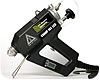
In manual assembly and packaging applications, actual hot-melt adhesive usage is often double what is required. Precise manual application of hot-melt can be difficult; therefore, operators apply additional adhesive to ensure a sufficient bond. Packaging and/or product failures are more expensive than extra adhesive, so managers simply accept increased adhesive consumption as a cost of doing business.
With skyrocketing raw material and shipping expenses pushing the average cost of hot-melt to more than $2/lb, it makes sense to take another look at hot-melt consumption.

Controlling Hot-Melt Adhesive Consumption
There are several ways to control the amount of hot-melt adhesive used.
- Training. Operators have the ultimate control over adhesive usage; thorough documentation and training on approved assembly procedures will help them to gauge the correct amount to use.
- Evaluation. Perform regular quality-control checks to ensure that the appropriate amount of adhesive is being applied. If not, additional communication and training with operators might be necessary.
- Equipment. There are many adhesive application equipment options. Melting, pumping and applying capabilities should match assembly requirements. In addition, under-specified hot-melt equipment may require operators to overheat the system in order to maintain sufficient melt rates. This overheating can degrade adhesive and affect subsequent bonds. It can also lead to increased system maintenance requirements.
- Adhesive. The adhesive must have the appropriate open time, set time and bond strength for the application, which can be accomplished by testing. If any of the adhesive’s characteristics do not match the application, consumption will be affected. Be advised that more adhesive does not necessarily mean a better bond; the amount of adhesive will affect set times and subsequent bonds.
- Ergonomics. Make it easy for operators to manipulate their tools - ease of operation enables operators to apply consistent patterns.
- Assembly times. Operators need sufficient time to focus on the application. This will allow for correct and standardized adhesive patterning on each package.
- Automation. Consider ways to go “hands-free.” Bench-top units and XY tables can provide more consistent and controlled adhesive application.
With proper training, monitoring, supplies and tools, operators can produce better products, in less time with less adhesive.
About the Company
Glue Machinery Corp. (formerly Covert Co. Inc.) builds, customizes, integrates and services industrial-grade hot-melt glue dispensing and adhesive application systems.
For more information, visit www.gluemachinery.com.
Links
Looking for a reprint of this article?
From high-res PDFs to custom plaques, order your copy today!