Almost two-thirds of adhesives produced each year in the U.S. are from non-renewable petroleum resources. However, each year brings added pressure to search for alternatives to petroleum-based adhesives, as oil prices rise and concerns over pollution released during the manufacture of these products grow.
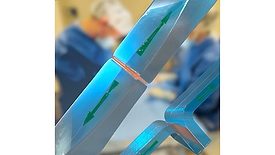
Mussels can be a delicious meal, but the chemistry that lets mussels stick to underwater surfaces may also provide a highly adhesive wound closure and more effective healing from surgery.
For many years, we have been hearing about green adhesives, paints, household cleaners and buildings—basically, green everything.
Battelle scientists have reportedly invented a novel, water-based polyurethane unlike any other—environmentally responsible, cost-effective, soy-based and free of N-methyl-2-pyrrolidone (NMP) solvent.
QUESTION: In the manufacturing world, the recycling of materials and the use of “green” materials are popular trends that are increasingly coming under legislative pressures. What about the recycling of adhesives and sustainability in the adhesives industry?
BASF partnered with The Seattle Mariners to debut compostable snack bags.
Edward Gotch, president of Emerald Kalama Chemical, talks about embracing sustainability with Susan Sutton, editor-in-chief.
The 2013 May Adhesives and Sealants Industry Magazine includes articles about PPG and Bostik, as well as a Q&A about polyurethane. Check it out today!
The Handbook of Sealant Technology provides an in-depth examination of sealants, reviewing their historical developments and fundamentals, adhesion theories and properties, and today’s wide range of applications.
|
|
With access to over one million professionals and more than 60 industry-specific publications, Clear Seas Research offers relevant insights from those who know your industry best. Let us customize a market research solution that exceeds your marketing goals.