Adhesives Mag logo
search
cart
facebook twitter linkedin youtube
  • Sign In
  • Create Account
  • Sign Out
  • My Account
Adhesives Mag logo
  • NEW PRODUCTS
  • NEWS
    • Adhesives & Sealants Headlines
    • Mergers/Acquisitions
    • Market Trends
    • TOP 20
  • TOPICS
    • Finished Adhesives and Sealants
    • Pressure-Sensitive Adhesives (PSAs)
    • Coatings
    • Raw Materials and Chemicals
    • Materials Handling/Processing
    • Meter/Mix/Dispense
    • Curing
    • Testing/Quality Control
    • Packaging of Adhesives & Sealants
    • Converting/Packaging
    • Composites
    • Sustainability
  • EVENTS
    • ASI Academy
    • Events Calendar
  • COLUMNS
    • European Perspectives
    • Strategic Solutions
    • Supply Chain Strategies
    • Tape Talk
  • MULTIMEDIA
    • Videos
    • Podcasts
    • Webinars
    • eBooks
  • EXPLORE
    • Adhesives in Action
    • Blog
    • ASI Store
    • Industry Links
    • Market Research
    • Classifieds
  • DIRECTORIES
    • Buyers' Guide
    • Global Adhesives & Sealants Directory
    • Raw Materials, Chemicals, Polymers and Additives Handbook
    • Equipment Handbook
    • Distributor Directory
  • EMAGAZINE
    • EMAGAZINE
    • ARCHIVE ISSUES
    • ADVERTISE
      • Custom Content & Marketing Services
    • CONTACT
  • SIGN UP!

Just Add PIBs

May 1, 2005
Polyisobutylenes are a vital part of adhesive and sealant formulations.

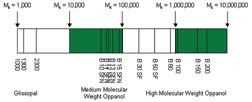
Figure 1. BASF PIB Grades
BASF has a long history of producing materials for improving adhesives and sealants formulations. BASF acrylates, for instance, have been widely used in the industry. This article focuses on the company's contributions through the growing presence of polyisobutylenes (PIBs) in adhesives and sealants.

PIBs are not new. BASF invented the materials and has marketed a range of polyisobutylenes since the late 1930s. Since then, additional molecular weights and performance characteristics have been added to offer new options and new applications to formulators. The current portfolio of PIB products includes low-molecular-weight (trade named Glissopal), medium-molecular-weight (trade named Oppanol B 10 SFN - Oppanol B 15 SFN) and high-molecular-weight grades (trade named Oppanol B 30 SF - Oppanol B 200).

Polyisobutylenes are aliphatic polymers and are widely used in solvent-based or melt-based formulations. They are an excellent choice of raw materials for applications that are moisture sensitive or must be water insoluble. Depending on the application, different molecular weight grades or combinations of several PIB grades or combinations of PIB and butyl rubber are used to achieve the properties of the final products. Generally, low-molecular-weight products are used as tackifiers and/or plasticizers, whereas medium- and high-molecular-weight products are used to adjust properties such as flexibility, elongation, cohesive strength, and gas barrier performance. With the correct choice and ratio of PIB(s), formulators can tailor peel and tack as well as extend the lifetime of the finished goods.
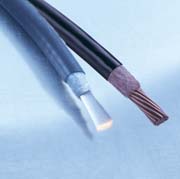
Polyisobutylenes are used to seal joints, to seal and protect electrical wiring, and to protect body cavities from moisture.
Several different systems are used to compound adhesives and sealants using solvent or melt technology. Polyisobutylenes are often used in non-curable applications, and in several cases they can be interchanged with (replacing) or performance-enhancing butyl rubber components in butyl systems. These butyl systems contain polyisobutylene (completely saturated polymer), butyl rubber (double bonds in the molecular chains), or a combination of both. Butyl rubber is favorable when it comes to cohesive strength and creep resistance, whereas polyisobutylene offers good flexibility, tack, and peel strength. To adjust the properties of a formulation to the required end use, combinations of both polymer types are often used.

Although PIBs do not have more than one double bond per polymer chain, they are considered to be non-crosslinkable products by conventional crosslinking chemistry (sulphur or peroxide cure). There are, however, several special crosslinking modes in which PIBs could become crosslinkable, such as via radiation curing.

Polyisobutylenes have better aging characteristics than rubber-based (especially natural rubber-based) systems. PIB-based products remain permanently tacky and are used on surfaces other polymers do not adhere to.
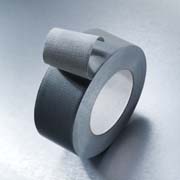
Pressure-sensitive and removable tapes are usually formulated with the use of one or two different molecular weight PIBs and butyl or chlorobutyl rubber.

TYPICAL APPLICATIONS

The window sealant industry in Europe, governed by higher energy standards, is dominated by double-glazing window sealants. PIB is the base polymer and the main component in these formulations. In these sealant systems, mainly Oppanol B 15 or mixtures of Oppanol B 15 and Oppanol B 10 are formulated. Oppanol is primarily used because it has excellent barrier properties and excellent flexibility, even at low temperatures. Furthermore, it is able to seal hermetically, due to its tackiness and cold flow, to even rough glass surfaces.

New systems emerging on the market called TPS® (thermoplastic spacer) systems contain PIB. Butyl tape sealants contain a mixture of high- and medium-molecular-weight PIBs to achieve the right combination of strength and tackiness. In general, butyl-based sealants are processed as pliable-tape or as a hot-melt system. They can be used in joints with movement of up to 10-15%.

PIB-based sealants are also used in several non-window applications. Commercial pipes in underground or underwater locations can be protected against the corrosive nature of the environment. Those pipes are wrapped with adhesives tapes that usually contain polyisobutylenes.

Underwater cables are filled with PIB for two main reasons: to provide self-healing properties and to combat potential punctures, and to keep moisture away from the optical fibers.

Higher molecular weight polyisobutylenes are also used in roofing membranes. One notable application is a technology imported from Europe. These roofing membranes are primarily used in commercial roofing and protect the structures from rain and melting snow by providing moisture sealing.

From manufacturing to transports to the dealer, today's automobiles are protected by using a composite polymer layer containing PIBs. In a variety of important automotive sealant applications, polyisobutylenes are used to seal joints, to seal and protect electrical wiring, and to protect body cavities from moisture.
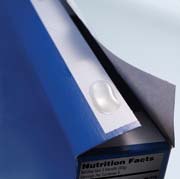
PIB is used in adhesive systems — mainly pressure-sensitive and hot-melt adhesives.
The seals in food cans and jars could contain PIBs, which provide an excellent gas and moisture barrier. They are inert and clean, fulfilling a variety of FDA food contact requirements.

Adhesives generally cover a large variety of chemistry and technology bases.

Polyisobutylenes are used in many adhesive formulations due to their tackiness, flexibility and low cohesive strength. PIB is used in adhesive systems - mainly pressure-sensitive and hot-melt adhesives.

Pressure-sensitive and removable tapes are usually formulated with the use of one or two different molecular weight PIBs and butyl or chlorobutyl rubber. Medium-molecular-weight PIBs are great for adhering to the surface. The high-molecular-weight version is preferred when the finished article is die cut or when the formulation is extruded during processing.

PIBs are not a skin irritant and BASF PIBs have a very low level of impurities. Therefore, PIB-based adhesives that require human contact, such as wound-care products or ostomy devices, are usually based on PIBs.

For more information on polyisobutylenes, visit http://www.basf.com/pib_derivatives.

Table. PIB Property Profile for Outstanding Product Features

(Property profile is unique in the segments of adhesives and sealants)

  • Excellent barrier to moisture and gas
  • Elasticity over a wide temperature range - even at low temperatures
  • Permanent tackiness
  • Excellent aging characteristics
  • Cold flow for self healing materials and hermetic sealing of rough surfaces
  • High up-take of fillers
  • Odorless and colorless for superior aesthetics
  • PIB is a non-curable polymer - except by radiation curing - and certain grades of the MW range are very viscous and have high damping properties.

Share This Story

Looking for a reprint of this article?
From high-res PDFs to custom plaques, order your copy today!
Recommended Content

JOIN TODAY
to unlock your recommendations.

Already have an account? Sign In

  • 2026 ASI Top 20: Leading Global Adhesives and Sealants Manufacturers

    2026 ASI Top 20: Leading Global Adhesives and Sealants Manufacturers

    Every year, we study the leading worldwide manufacturers...
    Adhesives and Sealants Topics
    By: Karen Parker
  • PSA Market

    Trends and Opportunities in Pressure-Sensitive Adhesives: Sustainability, Innovation, and Market Growth

    The pressure-sensitive adhesives market is growing...
    Pressure-Sensitive Adhesives (PSAs)
    By: Chirag Tripathi and Parag Shah
  • science test tubes

    2026 Adhesives and Sealants Raw Materials Roundup

    After more than two years of contraction, the...
    Sustainability
    By: Karen Parker
Manage My Account
  • eMagazine Issues
  • Newsletters
  • Online Registration
  • Manage My Preferences
  • Subscription Customer Service

More Videos

Sponsored Content

Sponsored Content is a special paid section where industry companies provide high quality, objective, non-commercial content around topics of interest to the Adhesives and Sealants Industry audience. All Sponsored Content is supplied by the advertising company and any opinions expressed in this article are those of the author and not necessarily reflect the views of Adhesives and Sealants Industry or its parent company, BNP Media. Interested in participating in our Sponsored Content section? Contact your local rep!

close
  • Assembly automation for medical device manufacturing
    Sponsored byNordson EFD

    Three Proven Principles Powering Quality Assembly

Popular Stories

Picture of a lobby of a Henkel facility

Henkel Expands Silicon Valley Application Center for Electronics

Alt text: Circular economy innovation illustration with green lightbulb

How Henkel Is Helping Companies Solve Sustainability Challenges

Image of a computer keyboard with the letters N E W S highlighted

H.B. Fuller Receives BAS Acquisition Proposal as AMS Deal Proceeds

ASI 2026 Top 20 Adhesives & Sealants List

Events

September 15, 2026

Coatings Trends & Technologies Summit

This annual Midwest coatings conference combines all of the high-quality technical presentations, exhibits and networking opportunities from the Coatings Trends and Technologies and Powder Coating Summit conferences into one new event. The event caters to both liquid and powder coatings formulators and manufacturers.

September 16, 2026

World Adhesive & Sealant Conference (WAC) 2026

As the industry’s premier international event, WAC 2026 offers a unique opportunity for professionals from every continent to connect, collaborate, and shape the future of the sector.
View All Submit An Event

Products

Structural Adhesives: Properties, Characterization and Applications

Structural Adhesives: Properties, Characterization and Applications

See More Products

Related Articles

  • Just Add Foam

    See More
  • Photo of confetti

    JUST Capital Names Dow One of America's Most JUST Companies for the Fourth Year

    See More
  • audience clapping

    JUST Capital Recognizes PPG for the Sixth Consecutive Year for its Positive Impact on the Environment and the Community

    See More

Related Directories

  • INEOS Oligomers

    A leading global manufacturer and merchant supplier of polybutenes (PIBs). Indopol polybutenes are key components in many PSAs, HMPSAs, and HMAs. PIBs can plasticize, tackify, and extend many base elastomers.
  • Thermoset Resin Formulators Association

    The TRFA is the only organization dedicated to serving the needs and interests of all thermoset formulators and has a broader focus than just epoxy. Other chemistries that TRFA represents include polyester and vinyl ester composites, urethane, silicone, acrylic, and phenolics.
×

Keep the info flowing with our newsletters!

Get the latest industry updates tailored your way.

JOIN TODAY!
  • RESOURCES
    • Advertise
    • Contact Us
    • Directories
    • Manufacturing Division
    • Store
    • Want More
  • SIGN UP TODAY
    • Create Account
    • eMagazine
    • Newsletters
    • Customer Service
    • Manage Preferences
  • SERVICES
    • Marketing Services
    • Reprints
    • Market Research
    • List Rental
    • Survey & Sample
  • STAY CONNECTED
    • LinkedIn
    • Facebook
    • Youtube
    • X (Twitter)
  • PRIVACY
    • PRIVACY POLICY
    • TERMS & CONDITIONS
    • DO NOT SELL MY PERSONAL INFORMATION
    • PRIVACY REQUEST
    • ACCESSIBILITY

Copyright ©2026. All Rights Reserved BNP Media, Inc. and BNP Media II, LLC.

Design, CMS, Hosting & Web Development :: ePublishing