The Value Two Pathways Bring for Manufacturing Heat-Sealable Packaging
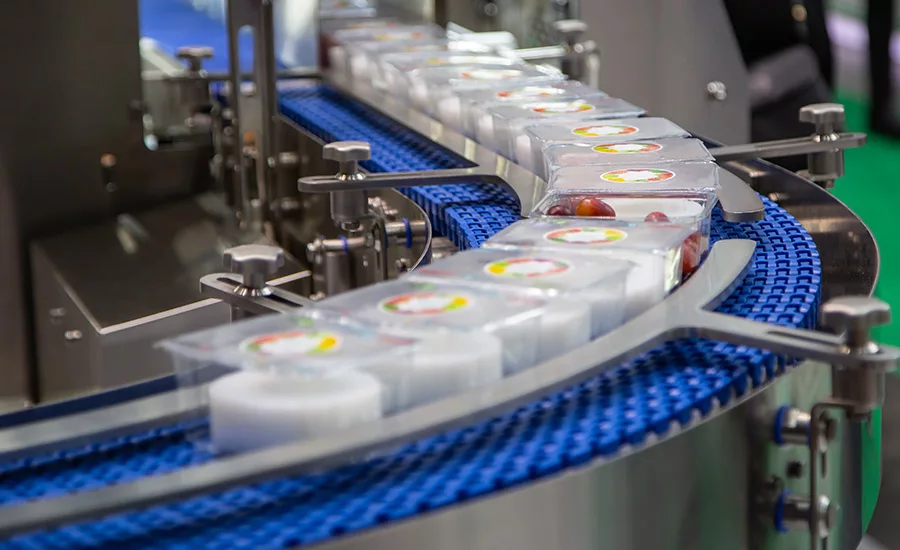
Image courtesy of Bostik
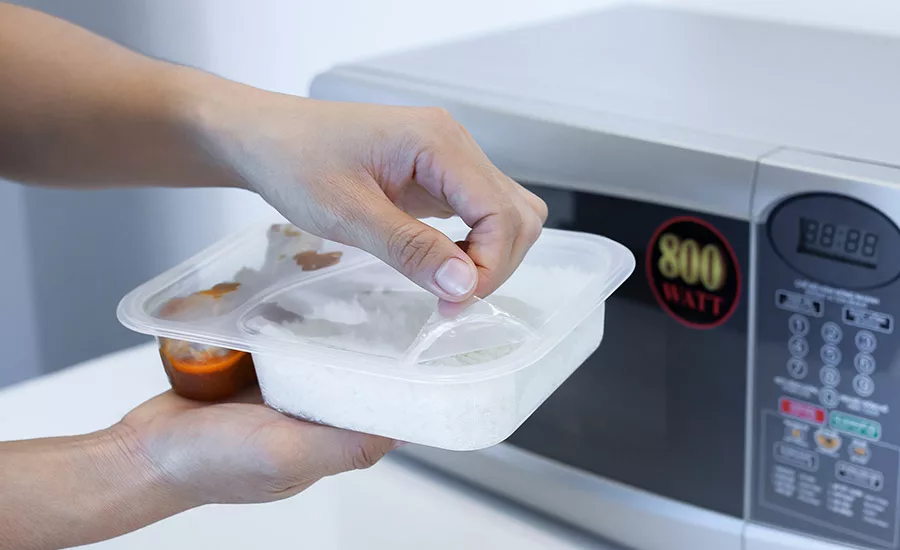
Image courtesy of Bostik
In the flexible packaging value chain, raw material suppliers, converters, and film producers work to ensure brand owners receive a finished package that meets performance requirements. For heat-sealable packages in particular, there are two pathways to achieve this. Converters can purchase heat-seal adhesive coatings directly from an adhesive supplier and manufacture a finished film themselves; or they can purchase a pre-made, heat-sealable film from a film producer and then apply additional coatings to create a finished structure. These two pathways to manufacture heat-sealable packaging aid in supply security and help ensure that brand owners can receive their heat sealable-packaging when and where they need it. However, converters may not realize these two pathways exist and the value they can bring to them by participating in both.
Converters That Add Heat-Seal Functionality to Film
When converters purchase a heat-seal adhesive coating from an adhesive supplier to then apply it to a film, they are able to achieve total customization of the package and can differentiate the package from others in the market. For example, if a narrow peel strength is needed for a package, converters can easily customize the heat-seal coating coat weight and pattern to ensure proper performance. This ability to customize is especially useful for high-end applications where there may be a narrow performance window or additional attributes are needed, such as chemical resistance in condiment lidding. Additionally, converters that purchase the heat-seal adhesive coating are then able to ensure brand owners receive a film that offers exactly the needed performance capabilities for a given application. If purchasing a pre-made, heat-sealable film from a film producer, converters are limited to the heat-seal performance available; this performance is dependent on the film producer’s product range, which could be designed to fit a large array of applications.
While this pathway offers key benefits for applications that have nuanced performance requirements or are differentiated, it can cause inefficiencies when converters want to manufacture films for generic, standard packaging applications that do not require customization. This could include standard performance packaging, such as shelf-stable product lidding to standard tray stocks. If converters choose to apply the heat-seal coating themselves, they add to the number of passes the film needs to go through the coater before it is complete. This, in turn, increases the time needed to create a finished film and can decrease the plant’s manufacturing efficiency.
Therefore, these converters should consider incorporating heat-sealable packaging’s other pathway into their production. The second pathway entails buying the finished heat-sealable film directly from the film producer. By purchasing a pre-made, heat-sealable film, converters can eliminate a step in the converting process. This is especially useful for general-purpose heat-sealable package formats that require lower or no customization. Instead, they can focus on applying inks, varnishes, adhesives, and other coatings to create a final package. While the finished film’s heat-seal characteristics cannot be customized, it offers production efficiencies for standard packaging applications. This helps converters more quickly and easily produce heat-sealable packaging.
Also, whether these converters apply a heat-seal coating themselves or purchase a pre-made, heat-sealable film, they can still run their film on the same coater. This means converters can supply the brand owner via two supply paths, coating themselves and purchasing pre-made film, while using the same coating assets. No additional investment is needed to offer brand owners both customized or standardized heat-sealable packaging; in fact, production costs can even be lower, given the efficiency enhancements for applications that do not require special criteria to be met.
Converters That Purchase Pre-Made, Heat-Sealable Film
Likewise, there are converters that purchase the heat-sealable film from film producers and do not coat it themselves. While these converters are running an efficient production line, it means they are unable to offer any customized or differentiated products to brand owners. If relying solely on purchasing pre-made, heat-sealable film, converters can only offer the finished film’s heat-seal performance that is within the film producer’s product grade, which may be above or below the needed end-performance.
Therefore, these converters should consider incorporating heat-seal packaging’s other pathway into their production, too. By coating the heat-seal adhesive coating onto the film themselves versus buying the film, they’re able to offer brand owners customization. Converters also can then apply the minimum required heat-seal adhesive to achieve the desired performance, which can reduce raw material cost and usage as well as increase line speeds. To further reduce raw material cost and usage, they also are able to apply the adhesive in a pattern if a flood coat is not necessary. This could include packaging formats, such as lidding, where the film is only heat sealed on the edges of a tray. Additionally, these converters can enter into specialized applications in which they previously may not have been able to participate. This can increase their revenue potential while helping them more effectively address brand owners’ packaging needs.
While no equipment investment is needed, incorporating this pathway into their production capabilities does entail an additional manufacturing step that these converters have not been doing to date. This is because they are now responsible for applying the heat-seal coating to the film, which means it can take longer to produce the finished film compared to buying the heat-sealable film itself and only applying inks, coatings, and laminating adhesives to it. However, it’s important to consider the potential for increased revenue by offering differentiated packaging for customized applications, which may outweigh the added production time costs. Adhesive suppliers, such as Bostik, also provide the market with heat-seal coatings in water-based and solvent-based mediums, which can help customize manufacturing efficiencies, as solvent-based heat seals are usually faster drying. Additionally, this other pathway can help reduce converters’ costs overall; for example, they may be buying a film from a film producer that offers higher performance than what they actually need and therefore costs more. Further, because these converters are already familiar with how to apply inks, coatings, and laminating adhesives, they should likely already have the expertise needed to coat these coatings, too. This is because they apply in a very similar manner. For example, the typical gravure coating head that applies inks, coatings, and adhesives can also be used to coat heat-seal adhesives. This means minimal changes are needed at coating stations to apply heat seals. Furthermore, heat-seal adhesives are often coated at similar coat weights to other coatings within a final structure. This means if converters are applying more than one coating at a time, the heat-seal adhesive coating will not slow down the press speed. This allows for an easier transition if converters are interested in applying heat-seal adhesive coatings themselves for the first time.
Heat-sealable packaging is vital in the flexible packaging market. It is used in many product types, such as lidding for frozen meals, dairy, condiments, and more. The ability to produce heat-sealable packaging via two separate pathways allows converters the flexibility to customize their package, increase production efficiencies, differentiate themselves in the market, and increase supply security.
As a global adhesive supplier, Bostik, the adhesives segment of Arkema, can help converters determine which pathway is most helpful for them and how to operate in both pathways. Learn more about Bostik at www.bostik.com.
Looking for a reprint of this article?
From high-res PDFs to custom plaques, order your copy today!