The Evolution of Functional Industrial Coatings
From enhancing durability to enabling advanced thermal management, functional coatings are integral to many industrial processes and products.
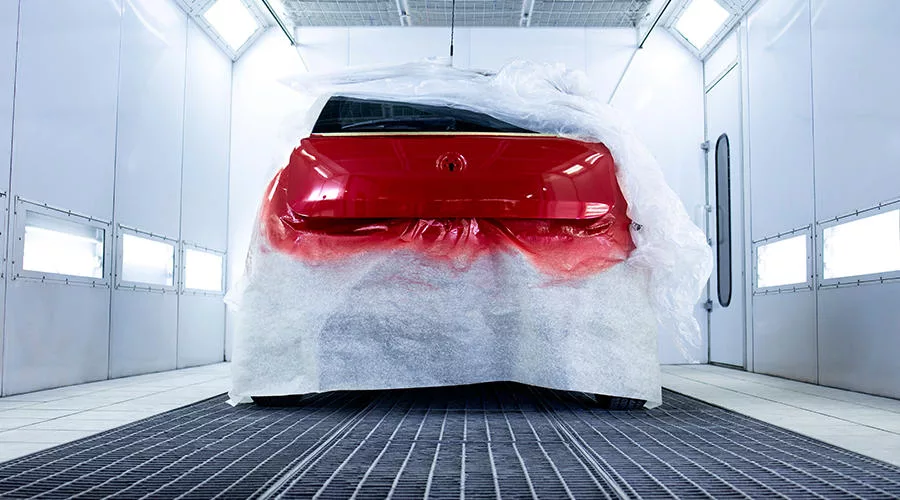
Functional industrial coatings have come a long way since their initial use as basic protective layers. Over time, advancements in materials science and application technologies have transformed these coatings into versatile solutions that provide an array of specialized functions. From enhancing durability to enabling advanced thermal management, these coatings have become integral to many industrial processes and products.
Early Beginnings: Basic Protection
The origins of industrial coatings can be traced back to their primary purpose — protection. Initially, coatings served as barriers to shield surfaces from environmental factors like moisture, oxygen, and UV radiation. Simple paints and varnishes were used to prevent rust, corrosion, and surface degradation. These early coatings were rudimentary and lacked the performance or longevity of modern solutions, often requiring frequent maintenance and reapplication.
Despite their limitations, these protective layers were a crucial first step. By safeguarding materials such as steel and iron, these coatings enabled longer operational lifespans for industrial equipment and infrastructure, laying the foundation for the evolution of more sophisticated technologies.
Advancements in Materials Science
The 20th century marked significant progress in the development of industrial coatings, driven by breakthroughs in materials science. New synthetic polymers, resins, and advanced formulations began replacing traditional materials, offering enhanced durability and versatility.
The Rise of Epoxy Coatings
Epoxy coatings emerged as a game-changer during the mid-20th century. Known for their exceptional adhesive properties and chemical resistance, epoxy-based coatings became widely adopted in industries such as transportation and manufacturing. These coatings were particularly effective in preventing corrosion in harsh environments, including, chemical processing, marine, and offshore applications.
ECTFE Coatings for Chemical Processing
Building on the need for advanced corrosion protection, ECTFE (ethylene chlorotrifluoroethylene) coatings introduced a higher level of chemical resistance, thermal stability, and electrical insulation. These coatings became a critical solution for chemical processing industries, offering reliable protection for tanks, pipelines, and industrial equipment exposed to corrosive substances. Their non-stick and high-durability properties further expanded their applications in harsh environments.
Fluoropolymer Coatings for Extreme Conditions
The development of fluoropolymer coatings introduced an entirely new level of performance. Known for their low friction, chemical resistance, and non-stick properties, these coatings became critical for applications in aerospace, electronics, and chemical processing. Fluoropolymers — such as polytetrafluoroethylene (PTFE) — are now frequently used in aerospace coatings, where they prevent galling, reduce wear, and enhance operational efficiency.
Functional Coatings for Specialized Needs
While early industrial coatings were primarily about protection, modern coatings are designed to deliver specific functionalities. Industries today demand coatings that go beyond surface protection to address challenges like corrosion, abrasion, and thermal stress.
Corrosion Resistance
Corrosion is one of the most significant challenges faced by industries that rely on metal components, especially in environments exposed to moisture, chemicals, or saltwater. Innovations in coating technologies have introduced advanced solutions such as zinc-rich primers and ceramic coatings, which offer superior corrosion resistance.
Abrasion Resistance
Industries such as mining, manufacturing, and food processing frequently deal with materials that are subject to high levels of wear. Abrasion-resistant coatings have been developed to prolong the lifespan of equipment like conveyor belts, chutes, and industrial machinery. These coatings often incorporate tough materials — such as ceramic or carbide particles — to withstand extreme conditions and reduce maintenance requirements.
Thermal Management
Thermal management has become a vital consideration in sectors like aerospace, automotive, and power generation. Functional coatings designed for thermal insulation or heat dissipation help manage extreme temperatures and protect components from thermal stress. For instance, ceramic-based coatings are widely used in jet engines and turbines to improve efficiency and performance while minimizing the risk of heat-related failures.
Application Technologies: Pushing the Boundaries
The evolution of industrial coatings is not limited to materials; it also encompasses the technologies used to apply them. Advances in application methods have enabled higher precision, efficiency, and performance.
Spray Coatings
Spray technologies revolutionized the application of industrial coatings, making it easier to cover large surfaces evenly. This method also allows for precise control over coating thickness, resulting in consistent protection and performance across different materials.
Electrostatic Coating
Electrostatic spray systems have become popular for their efficiency and uniformity. This spray application process involves charging the coating material and the part being coated with opposite charges, resulting in strong adhesion and minimal overspray. This method provides excellent “wrap” coverage, allowing the coating to reach all surfaces, even those opposite the spray gun. It is widely used for applying PTFE coatings in automotive and industrial product manufacturing.
Dip Coating
Dip coating is a highly controlled method where components are submerged in a liquid coating solution and then withdrawn at a precise rate to achieve a uniform layer. This process is ideal for functional coatings — including corrosion-resistant, hydrophobic, and insulating applications — offering complete and even coverage on complex geometries.
Automated Robotic Coating
Automation and robotics have redefined industrial coating applications by improving precision and consistency, and holding to extremely tight coating tolerances such as .0001" thick. Robotic systems provide uniform coatings while reducing material waste and labor costs. This technology is particularly useful in high-volume manufacturing, where repeatable, high-quality coatings are required for optimal performance and durability.
Industrial Impact and Sector Applications
The evolution of functional industrial coatings has reshaped numerous industries by providing solutions tailored to their specific needs.
Automotive Industry
Coatings play a critical role in the automotive sector, from protecting exteriors against corrosion to enhancing the performance of engine components. Heat-resistant and low-friction coatings are frequently applied to reduce wear and improve efficiency. Additionally, advanced coatings on fasteners prevent loosening and corrosion, contributing to vehicle safety and durability.
Aerospace and Defense Sector
The aerospace industry has embraced advanced coatings for applications that demand extreme performance. Thermal barrier coatings protect jet engine components from high temperatures, while anti-icing coatings maintain aircraft safety in cold weather conditions. Lightweight and durable coatings also contribute to fuel efficiency and environmental sustainability in modern aircraft.
Industrial Machinery Sector
Industrial coatings are essential for machinery longevity and operational efficiency. Wear-resistant coatings extend the service life of components exposed to friction, while corrosion-resistant coatings protect components exposed to processing materials. Low-friction coatings reduce energy loss in moving parts, non-stick coatings improve product release, and thermal barrier coatings help maintain stability under high-temperature conditions.
Sustainability in Coating Technologies
The shift toward sustainable practices is influencing the development of industrial coatings. With increased awareness of environmental impacts, manufacturers are prioritizing low-VOC and ecofriendly formulations. An example of this is waterborne coatings, which are replacing solvent-based products in many applications to reduce emissions.
Recyclable coatings and bio-based polymers are also gaining traction, aligning with global efforts to promote sustainability. These advancements demonstrate the industry's commitment to balancing performance with environmental responsibility.
The Future of Functional Industrial Coatings
As industries continue to evolve, functional industrial coatings are expected to advance even further. For example, the integration of micro-technology promises coatings with enhanced properties such as self-healing, anti-microbial, and superhydrophobic capabilities.
Smart coatings that respond to environmental changes — like temperature or pressure — are also on the horizon. These innovations could revolutionize sectors including healthcare, electronics, and transportation by offering adaptive and intelligent solutions.
Going forward, AI, IoT, and other digital technologies are likely to play a role in the future of coating applications. Predictive maintenance tools could monitor coating performance in real time, allowing for timely reapplications and reducing downtime.
Transforming Industrial Possibilities
The journey of functional industrial coatings from basic protective layers to advanced, multifunctional solutions reflects decades of innovation in materials science and application technologies. Today, coatings not only protect surfaces but also enhance performance, improve efficiency, and enable new product breakthroughs across many industries.
As advancements continue, the potential applications for these coatings are bound to expand, shaping the future of sectors ranging from automotive to aerospace. By leveraging cutting-edge materials, robotic application and sustainable practices, industrial coatings will remain at the forefront of innovation, addressing product design challenges and unlocking new possibilities for years to come.
Learn more about Orion Industries Ltd. At https://orioncoat.com/.
Looking for a reprint of this article?
From high-res PDFs to custom plaques, order your copy today!