Henkel Advances Decarbonized Efforts at Sites in India and Türkiye
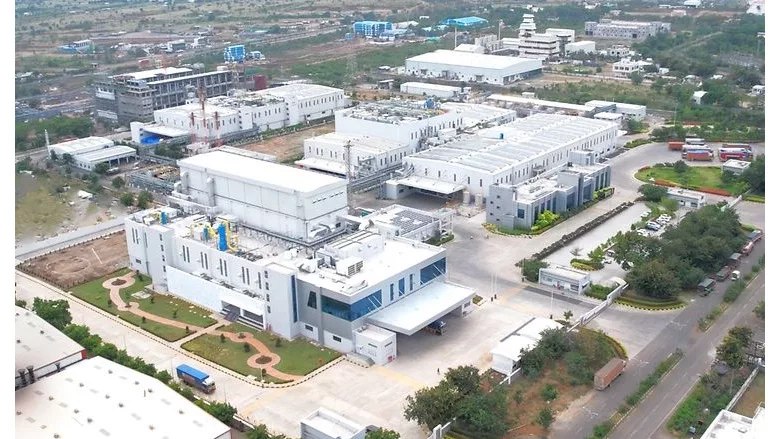
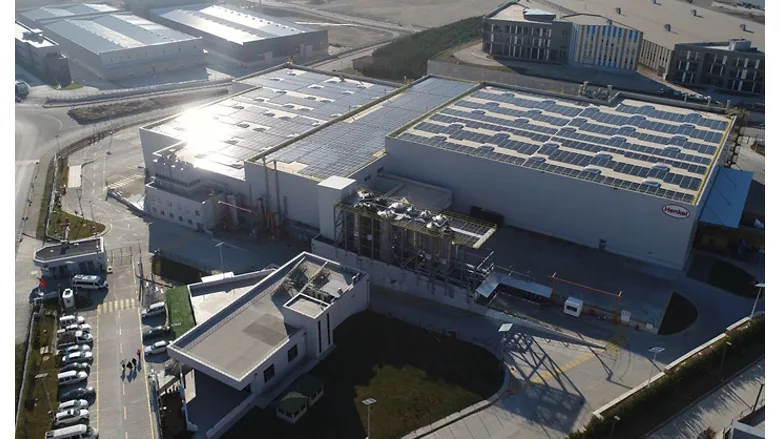
Henkel has reached a major milestone in its global sustainability strategy within the Adhesive Technologies business unit by achieving carbon-neutral production at its flagship sites in Kurkumbh, India, and Gebkim, Turkey. Henkel reports that the factories have successfully eliminated Scope 1 and Scope 2 emissions, marking a significant step forward in its ambition to decarbonize its operations by 2030. These achievements are further contributing to Henkel‘s science-based climate targets, which focus on reducing operational greenhouse gas emissions through energy efficiency, electrification, and the phase-out of fossil fuels, while scaling renewable energy across all production sites globally.
At Kurkumbh, carbon-neutral operations were achieved by replacing furnace oil-based thermic fluid heaters with high-efficiency electric systems, eliminating fossil fuel use. This transformation required a comprehensive upgrade of the site’s energy infrastructure, including the optimization of heat loads, the installation of advanced high-efficiency heat exchangers, and significant investments in electrical capacity to support full electrification. Combined with the transition to 100% renewable electricity, these measures enabled the complete elimination of both Scope 1 and Scope 2 emissions of approximately 11300 tons of CO₂ equivalent, marking a major milestone in the site’s decarbonization journey.
At its Gebkim Plant in Türkiye, Henkel has implemented a landmark electrification project by fully replacing a natural gas-fired boiler with a high-efficiency electric boiler system. The change eliminated direct fossil fuel use at the site and reduced Scope 1 emissions to zero, resulting in an annual reduction of approximately 956 tons of CO₂ equivalent.
To complement this, the site has transitioned entirely to 100% renewable electricity, combining onsite solar generation with International Renewable Energy Certificates (I-REC). As a result, Scope 2 emissions have also been reduced to zero, while the improved efficiency of the new system enables the site to maintain production output with lower total energy consumption. Through this combination of electrification and renewable energy sourcing, the Gebkim Plant has achieved full decarbonization across Scope 1 and Scope 2, becoming one of Henkel’s leading examples globally of how fossil-fuel-free operations can be realized at scale.
“Achieving carbon-neutral production at two of our key Flagship sites in IMEA is a strong step forward in delivering on Henkel Adhesive Technologies’ global sustainability ambitions,” said Simon Ulmann, vice president supply chain & operations IMEA at Henkel Adhesive Technologies. “Our ambition is clear: we are systematically eliminating fossil fuels from all our operations and replacing them with electrified processes powered by renewable energy. Our manufacturing milestone in both Kurkumbh and Gebkim show how we can translate our strategy into tangible impact at site level, accelerating our journey toward net-zero operations.”
Learn more about Henkel at henkel.com.
Looking for a reprint of this article?
From high-res PDFs to custom plaques, order your copy today!