Adhesives Mag logo
search
cart
facebook twitter linkedin youtube
  • Sign In
  • Create Account
  • Sign Out
  • My Account
Adhesives Mag logo
  • NEW PRODUCTS
  • NEWS
    • Adhesives & Sealants Headlines
    • Mergers/Acquisitions
    • Market Trends
    • TOP 20
  • TOPICS
    • Finished Adhesives and Sealants
    • Pressure-Sensitive Adhesives (PSAs)
    • Coatings
    • Raw Materials and Chemicals
    • Materials Handling/Processing
    • Meter/Mix/Dispense
    • Curing
    • Testing/Quality Control
    • Packaging of Adhesives & Sealants
    • Converting/Packaging
    • Composites
    • Sustainability
  • EVENTS
    • MAX
    • ASI Academy
    • Events Calendar
  • COLUMNS
    • European Perspectives
    • Strategic Solutions
    • Supply Chain Strategies
    • Tape Talk
  • MULTIMEDIA
    • Videos
    • Podcasts
    • Webinars
    • eBooks
  • EXPLORE
    • Adhesives in Action
    • Blog
    • ASI Store
    • Industry Links
    • Market Research
    • Classifieds
  • DIRECTORIES
    • Buyers' Guide
    • Global Adhesives & Sealants Directory
    • Raw Materials, Chemicals, Polymers and Additives Handbook
    • Equipment Handbook
    • Distributor Directory
  • EMAGAZINE
    • EMAGAZINE
    • ARCHIVE ISSUES
    • ADVERTISE
      • Custom Content & Marketing Services
    • CONTACT
  • SIGN UP!

Low-Pressure Injection Molding With Polyamide Hot Melts Offers Key Advantages in Electrical- and Electronic-Component Manufacturing
May 29, 2002
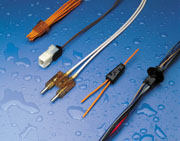
Low-pressure injection molding provides a watertight seal.
Today's competitive marketplace is forcing manufacturers to re-assess all aspects of production - from raw materials to capital equipment. New technologies are requiring new manufacturing methods that are still cost effective. Time-to-market, production flexibility and cost containment are all critical elements to be considered while ensuring you meet customers' performance requirements. Low-pressure injection molding with polyamide hot melts is one manufacturing method that can improve existing processes and meet the needs of today's ever-changing technology landscape.

Low-pressure molding is bringing injection-molding capability to applications previously unserved due to either cost or processing challenges. The low-pressure injection-molding process utilizes polyamide resins to allow low-pressure filling of molds. The combination of the process and material offers many benefits to manufacturing costs and finished product performance. Injection molding is no longer cost prohibitive or inflexible to product changeovers. And, sensitive electronic components can now experience the protection and security offered by over-molding.

"Mold Where No Man Has Molded Before"

Due to the low injection pressure of the molding material, over-molding can be performed on components that could not withstand the high injection pressures of traditional injection molding. Examples include circuit boards, "floating" wires or components, nylon-covered wires, and delicate sensors.
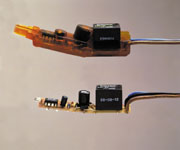
Low-pressure injection molding replaces two-component potting and is safe for circuit boards.

Startup/Retooling Efficiencies

Any production process today must be efficient while allowing for flexibility to meet changing customer needs. Particularly in processes involving fiber optics, electronic or electrical components, there are delicate parts to be protected, both during manufacturing and while in use. Injection molding offers manufacturers the opportunity to seal and protect components from the dangers of ingress and movement.

However, starting or retooling an injection-molding process is typically an expensive endeavor. In addition to the expense of the actual injection-molding equipment, including heavy presses, there is the cost of extensive water-cooling systems and fabrication of costly steel molds.

The low-pressure molding process utilizes inexpensive mold designs and simple dispensing equipment. Low-pressure injection molding uses aluminum molds, which are quick to produce, relatively inexpensive to manufacture and easy to integrate into the production process. Due to the low injection pressures, large X-ton presses are not required for mold closure. The reduced production time and cost allow lead times to be shortened and give the manufacturer the flexibility to meet specialized customer needs. The aluminum molds' low costs and reduced set-up times make them ideal for injection molding of short-run, low-volume specialty parts.

Production Advantages

The use of a low-pressure injection-molding process leads to great production efficiencies. There is less likelihood of damage to or shifting of components when using low-viscosity polyamides. As compared to two-component potting, the molding process shortens cure time to seconds and can eliminate both potting material and the plastic enclosure that is potted. The low injection pressure increases the number of cycles per mold.
Material Provides Benefits

Low-pressure injection molding utilizes high-performance, low-viscosity polyamide resins. This material is able to reach small areas without high pressure, making it ideal for sensitive components. The polyamide's adhesive properties provide optimal adhesion and create an effective seal against moisture and other environmental contaminants. Polyamide's high chemical resistance to oil, diesel, grease and weak acids also enhances finished-part performance.

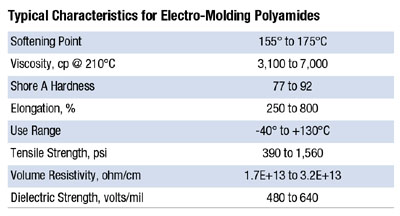
Temperature is another favorable aspect of polyamide materials, which possess a positive balance of low- and high-temperature performance, ranging from -40 deg C to 130 deg C (see table).

Low-pressure injection molding helps protect the environment and save time. The thermoplastic polyamide material is nearly 100-percent reusable, reducing scrap. Polyamide is a non-toxic, one-part material, eliminating the mixing and metering associated with two-component epoxies. Also, low-pressure material cures instantly, whereas two-component materials can take up to 24 hours to cure.

Finished Products

Low-pressure injection molding with polyamide materials offers many benefits to the end product. Electrical and electronic components are protected from extreme elements such as heat, humidity and dust. Insulation of transformers improves performance and function. Motors and gearboxes are watertight and temperature-resistant. Applications include:
    Automotive
    Electronics
    Appliance
    Fiber Optic Components.
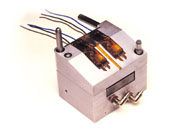

Inexpensive molds allow for multiple component molding.

Weighing Your Options

The use of low-pressure injection molding for switches, sensors, circuit boards, relays, fiber optic components, electronics and electrical components provides an economical means of insulating and protecting the end product. High-performance polyamide materials protect parts from moisture and dust, increase part strength and reduce scrap. Aluminum molds decrease tooling costs and set-up time, allowing for short runs and more flexibility in mold design. Ancillary equipment, such as high-tonnage presses and chilled water-cooling systems, is no longer necessary.

Low-pressure injection molding is a proven process offering an excellent solution to the high requirements of electronic-, electrical- and fiber optic-component production in a range of applications including automotive, appliance, medical and two-component potting. This process has been successful in Europe for many years. Now we in the United States are catching on.

Low-pressure injection-molding benefits:

  • Safe for electronic components

  • Fast cure - replaces two-component potting

  • Cost effective for short runs because of low-cost aluminum molds

  • No scrap; polyamides are nearly 100% reusable

    Additional information on low-pressure injection molding is available from Nordson Corp., Product Assembly Group, 11475 Lakefield Dr., Duluth, GA 30097; phone 800-683-2314; fax 866-667-3329; e-mail sstone@nordson.com; or visit the Web site www.nordson.com/productassembly. Or Circle No. 75.

    Links

    • Nordson Corp.
  • Share This Story

    Looking for a reprint of this article?
    From high-res PDFs to custom plaques, order your copy today!

    Recommended Content

    JOIN TODAY
    to unlock your recommendations.

    Already have an account? Sign In

    • mouse in hole

      Using Foam Sealants for Pest Prevention

      According to the National Pest Management Association,...
      Adhesives and Sealants Topics
      By: Kevin Corcoran
    • linked network nodes

      Using the Power of AI for Adhesive and Sealant Formulation

      With the help of software solutions, adhesive formulators...
      Finished Adhesives and Sealants
      By: Karen Parker
    • top20-hero.jpg

      2024 ASI Top 20: Leading Global Manufacturers of Adhesives and Sealants

      ASI's annual ranking of the top 20 global adhesive and...
      Finished Adhesives and Sealants
    Manage My Account
    • eMagazine Issues
    • Newsletters
    • Online Registration
    • Manage My Preferences
    • Subscription Customer Service

    More Videos

    Popular Stories

    image of a graph representing markets

    Sika Announces Acquisition of Gulf Seal in Saudi Arabia

    Picture of two men and one woman in dark suits

    Bodo Möller Chemie Makes Management Change for CASE Business Unit

    news on internet screen

    Henkel Posts Positive Organic Growth for Third Quarter, Driven by Adhesives Technologies Business

    ASI Top 20 website

    Events

    January 1, 2030

    Webinar Sponsorship Information

    For webinar sponsorship information, visit www.bnpevents.com/webinars or email webinars@bnpmedia.com.

    View All Submit An Event

    Products

    Structural Adhesives: Properties, Characterization and Applications

    Structural Adhesives: Properties, Characterization and Applications

    See More Products

    ASI CASE EBOOK

    Related Articles

    • Electrical And Electronic Packaging With Low-Pressure Molding

      See More
    • Photo of printed circuit board

      HENKEL: Low-Pressure Molding Materials for Medical Electronics

      See More
    • SHIN-ETSU SILICONES

      SHIN-ETSU SILICONES: Liquid Injection Molding System

      See More

    Related Products

    See More Products
    • technology-of-pressure-sens.gif

      Technology of Pressure-Sensitive Adhesives and Products

    • pressure-sensitive-advesive.gif

      Pressure-Sensitive Adhesives and Applications

    See More Products

    Related Directories

    • Global Electronics Association

      The Global Electronics Association is the voice of the electronics industry. With a mission to promote industry growth and supply chain resilience, the Association focuses on four key initiatives: workforce, sustainability, next-generation technologies and digital manufacturing.
    • Dyna-Tech Adhesives Inc.

      Manufacturer of water-based pressure-sensitive adhesives and coatings, hot-melt adhesives, packaging adhesives, advanced resin dispersions, heat seals, cohesive adhesives, solvent acrylic pressure sensitive adhesives, solvent rubber pressure sensitive adhesives, energy-curable coatings and adhesives.
    ×

    Keep the info flowing with our newsletters!

    Get the latest industry updates tailored your way.

    JOIN TODAY!
    • RESOURCES
      • Advertise
      • Contact Us
      • Directories
      • Manufacturing Division
      • Store
      • Want More
    • SIGN UP TODAY
      • Create Account
      • eMagazine
      • Newsletters
      • Customer Service
      • Manage Preferences
    • SERVICES
      • Marketing Services
      • Reprints
      • Market Research
      • List Rental
      • Survey & Sample
    • STAY CONNECTED
      • LinkedIn
      • Facebook
      • Youtube
      • X (Twitter)
    • PRIVACY
      • PRIVACY POLICY
      • TERMS & CONDITIONS
      • DO NOT SELL MY PERSONAL INFORMATION
      • PRIVACY REQUEST
      • ACCESSIBILITY

    Copyright ©2025. All Rights Reserved BNP Media.

    Design, CMS, Hosting & Web Development :: ePublishing