Successful Converting with Pressure Sensitive Adhesives
Converters should partner with adhesive manufacturers that are committed to designing PSAs with properties that benefit the converting process.
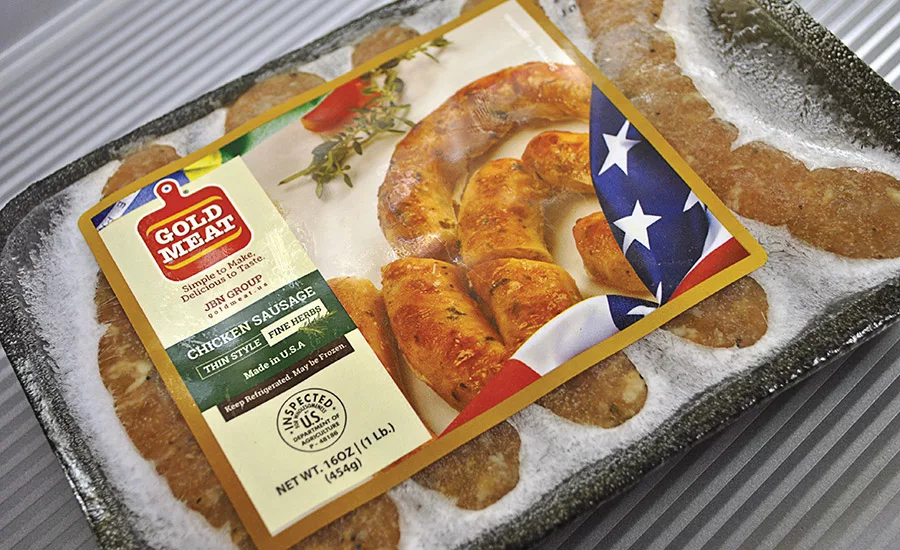

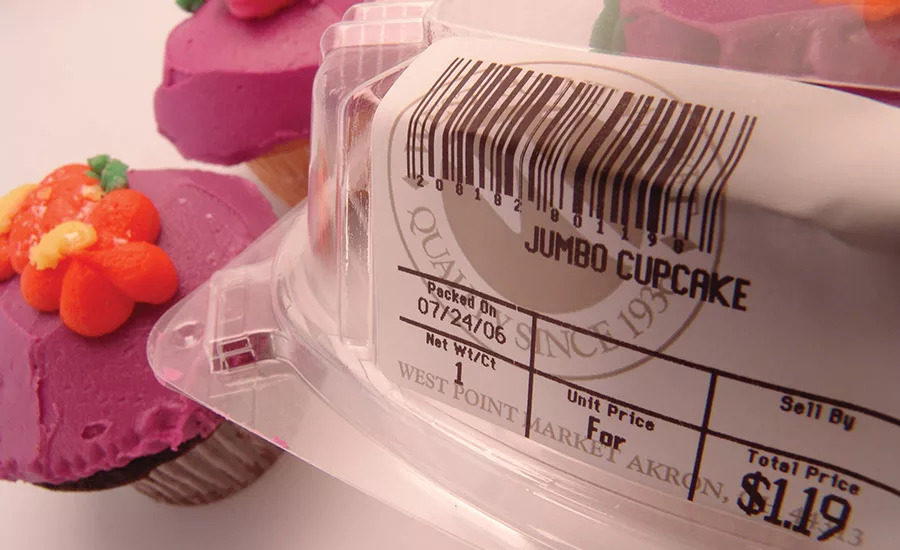
In the labels and labeling industry, blank labels designed for variable on-demand printing, such as the deli counter at a grocery store or warehouse marking and tracking, often lead the market.1
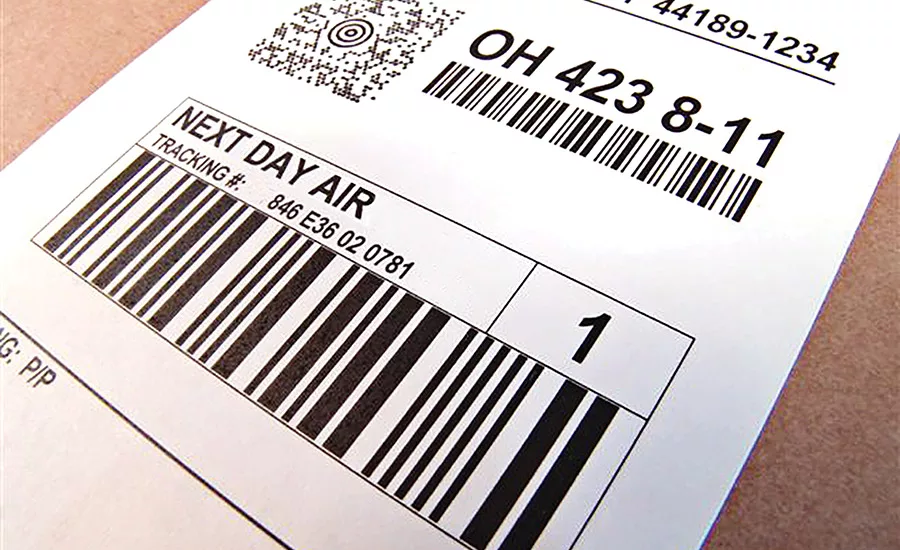
For nearly 100 years, pressure-sensitive adhesives (PSAs) have been used in converting applications. According to the Adhesive and Sealant Council Inc.,2 one of the first converting applications to feature PSAs was Johnson & Johnson’s cloth Band-Aid® products in the 1920s. In the 1960s, PSAs began replacing cold glues for the labeling of plastic bottles. Today, PSAs are converted for thousands of applications in a variety of industries―from medical to industrial and beyond.
One of the most common industries to convert PSAs is labels and labeling. PSA label converting may consist of printing, over-laminating, die-cutting, matrix removal, web splicing and slitting. Die-cutting and matrix removal are generally the most commonly known label-finishing functions. Die-cutting is the process of using steel or magnetic tools to cut the finished shape of the label. The material that is left following a die-cut is called the matrix. Matrix removal is the process of stripping the excess matrix so only the cut labels remain on the silicone liner.
Converter-Friendly PSA Label Types
An adhesive’s ability to convert properly can affect productivity, cost, time to market and more. For example, softer adhesives tend to stick to press rolls, which can lead to downtime, labeling tearing, matrix breaks, excess scrap material and extended press cleanup.
The most optimal adhesives allow converters to run presses at the fastest speeds possible and achieve the greatest throughput while efficiently delivering products to customers and keeping costs low. Thus, converters should partner with adhesive manufacturers who are committed to designing PSAs with foundational properties that benefit the converting process.
Some manufacturers have in-house converting experts who can help determine the best adhesive for both the end-use application and the converting process. Sharing information about the specific converting environment (e.g., press type, press speeds, types of die-cuts, operating temperatures, etc.), product processing (e.g., applying labels automatically or by hand) and end-use application (e.g., expected label lifetime, potential environmental factors, etc.) will result in the selection of the most ideal PSA for the job. However, two common manufacturer-recommended adhesive types for PSA label converting are acrylic emulsion adhesives and hot-melt adhesives.
Acrylic Emulsion
Historically speaking, acrylic emulsion (water-based) adhesives are known for superior label converting characteristics. These adhesives often die-cut and strip cleanly without leaving behind residue, which allows for faster speeds, wider webs, and overall greater uptime during converting than other adhesive types. They also commonly offer a broad service temperature range, extended shelf life, and flexibility for wrapping small diameter cylinders or tubes. In addition, they are known for ease of use, safety and strength.
However, acrylic emulsion adhesives may not adhere well to low-surface-energy (LSE) materials, such as polyethylene and polypropylene. Also, compared to other adhesive types, they provide only moderate initial tack, eventually building to their ultimate adhesion over time.
Hot Melts
Hot-melt (rubber-based) adhesives are known for excellent, aggressive adhesion and high quick tack. One key advantage of hot melts is that they flow more easily onto a surface, grabbing to it quicker than other adhesive types. Because of this unique adhesive chemistry, hot-melt adhesives are known to stick extremely well to LSE substrates. They also feature a wide temperature range, high-temperature resistance and excellent water resistance.
Conversely, one drawback to hot melts is that the composition of these adhesives is more “oozy” in form. Thus, compared to acrylic emulsion adhesives, hot melts generally aren’t able to convert as well. However, this certainly isn’t the case with all hot melts. Some hot melts today are known for high-performance die-cutting and high run speeds without matrix line breaks. Additionally, when hot-melt adhesives are paired with stronger facestocks, converting abilities are known to improve.
Ensuring Converting Success
Aside from the adhesive itself, converters can take a number of actions to sidestep common adhesive converting issues and improve converting performance. For example, to improve overall die-cutting operations, converters should:
- Tool dies to the specific product running. A properly tooled die is essential to successful converting.
- Ensure dies are level. If the die is not making a straight impression on the product, it will imprint more on one side than the other and cause the matrix to strip unevenly and possibly break.
- Verify dies are making clean impressions. Deep liner strikes can cause future problems so it’s important to ensure dies do not cut through the liner. Die pressure gauges can help maintain consistent cuts.
- Check dies for natural wear. Worn dies can cause a number of problems, including causing adhesive drag or needing increased pressure for accurate cutting.
- Conduct regular die maintenance. Regularly cleaning by wiping the anvil in the bearer area and lubricating bearer wipes with a 50/50 mixture of STP and synthetic motor oil will aid in die performance.
Similarly, converters can take several steps in order to enhance the removal of the matrix:
- Reduce stress on the facestock. When press speeds increase, the force required to pull away the waste matrix increases, adding stress to the facestock. Pulling the label and liner down at the point of matrix removal will help reduce that stress.
- Strip the matrix as close to the die as the press allows. This will alleviate the adhesive flowback that can contribute to matrix breaks or labels going up with the matrix.
- Increase the angle at which the matrix is removed. Using a small stripping roller to increase the angle of removal can help prevent matrix breaks.
- Reduce the risk of the adhesive sticking to the roller. Especially when converting aggressive or softer adhesives, matrix breaks can occur due to tension variations when the adhesive-coated side of the waste matrix adheres to or begins to follow idler and/or driven rolls. Applying low surface tension wraps around rollers can help prevent this.
- Keep the adhesive from becoming tackier. Petroleum-based sprays can cause adhesives to become more aggressive. Using a spray wax, such as a common household furniture polish or dry silicone spray, can help keep the waste matrix from adhering to or following idler and/or driven rolls.
A Winning Combination
With the right combination of adhesive type and converting technology, getting PSA labels to market efficiently and cost effectively is more than doable. PSA manufacturers that value the importance of the converting process and develop products accordingly can be a vital asset to label converter’s business—saving time, money and resources from start to finish. ASI
For more information, visit www.mactac.com.
References
1. Mactac, Mactac Roll Label sales history.
2. Adhesive and Sealant Council Inc., “The Evolution of Adhesives Used in Packaging & Converting Applications, http://www.adhesives.org/docs/default-document-library/evolution_of_packagingadhesives.pdf?sfvrsn=58da587c_0
Looking for a reprint of this article?
From high-res PDFs to custom plaques, order your copy today!