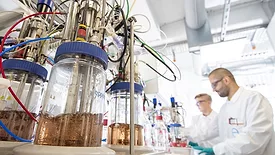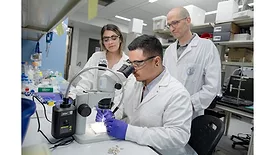
Braskem and Lallemand Biofuels & Distilled Spirits have developed a technology that enables corn ethanol plants to produce bioacetone as a high-value co-product.
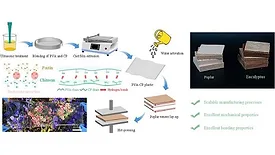
A supramolecular approach using chitosan-pectin hybrid polymers creates a dual-function material that retains strength in wet conditions and bonds plywood.
Michelin ResiCare and Axens have entered into exclusive discussions to establish a strategic partnership focused on a technology for producing 5-hydroxymethylfurfural (5-HMF), a bio-based building block for green chemistry.
Read this study that investigates the feasibility of developing a structural bio-based adhesive utilizing DGEVA as a base material, reinforced with recycled carbon fibers and mineral wool waste derived mainly from demolished buildings.
Learn how researchers are using renewable feedstocks and biologically inspired materials to create sustainable alternatives for industrial applications.
University of Toronto Engineering researchers have identified how some organisms attach themselves in wet environments, which could inform the design of adhesives that work reliably in water.
"By mimicking nature, we can develop new greener and more sustainable avenues for making materials with excellent properties," explained McGill University professor Matthew Harrington, lead author on a new study.