Product Focus: Adhesive Technologies
Innovations in Packaging Adhesives
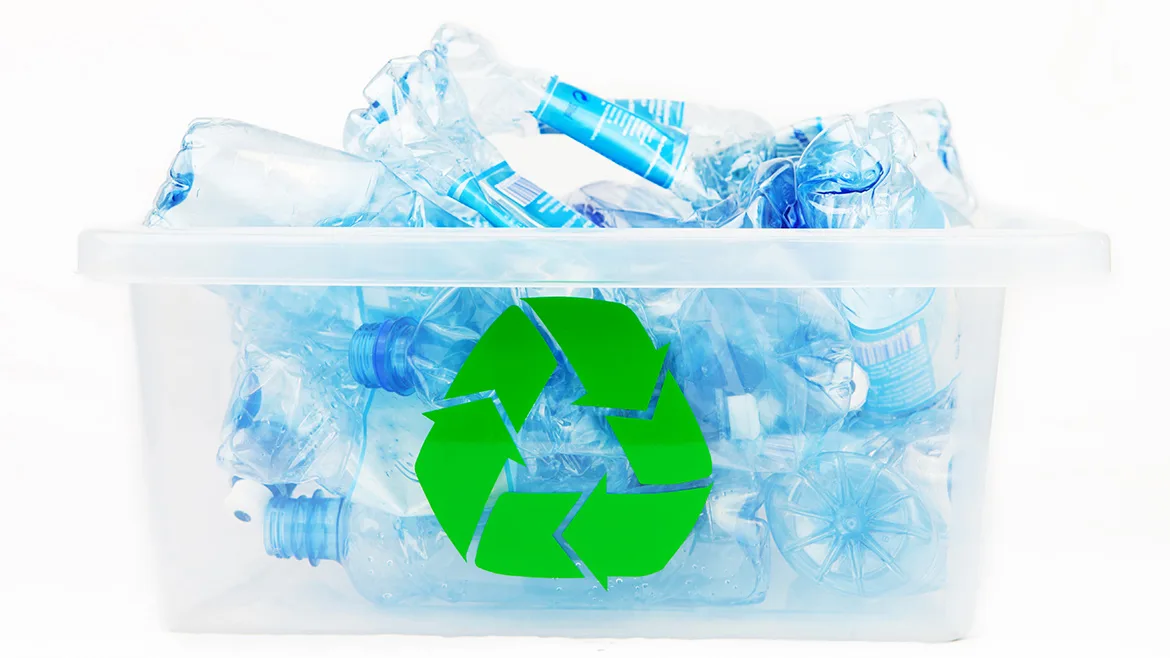
Demand for packaging adhesives is expected to increase over the next decade, driven by the continued growth of e-commerce, greater emphasis on sustainable packaging, and ongoing advances in adhesive technology. According to market projections, the global packaging adhesives market was $14.6 billion in 2025 and is expected to reach $30.1 billion by 2035, representing a compound annual growth rate of 7.5%.
As packaging manufacturers respond to evolving performance requirements and sustainability goals, adhesive technologies are playing an increasingly important role in enabling recyclable packaging, improving manufacturing efficiency, and supporting a wider range of packaging materials. Here are four of the latest adhesive technologies developed for packaging applications.
FEDRIGONI SELF-ADHESIVES NORTH AMERICA: Water-Soluble Adhesive
DS2 from Fedrigoni Self-Adhesives North America is a clear-drying, water-soluble adhesive for label applications that require complete removal without adhesive residue. Designed for use with water-dissolvable facestocks, it disperses in hot or cold water, allowing labels to remain functional during use before washing away during cleaning, power washing, or industrial dishwashing.
The adhesive is well suited for food service, grocery, healthcare, institutional, and laboratory applications where containers, trays, totes, and other items require temporary identification, date coding, or tracking. Typical uses include cafeteria and hospital tray labels, food preparation and expiration labels, produce tote identification, and laboratory labeling.
DS2 adheres to metal, HDPE, and other low-surface-energy plastics, as well as smooth and lightly textured surfaces. It can be paired with Fedrigoni Self-Adhesives' 47# Water Dissolvable Direct Thermal facestock, which dissolves completely when immersed in water.
LEARN MORE
BASF: Packaging Adhesives
Credit: Courtesy of BASF
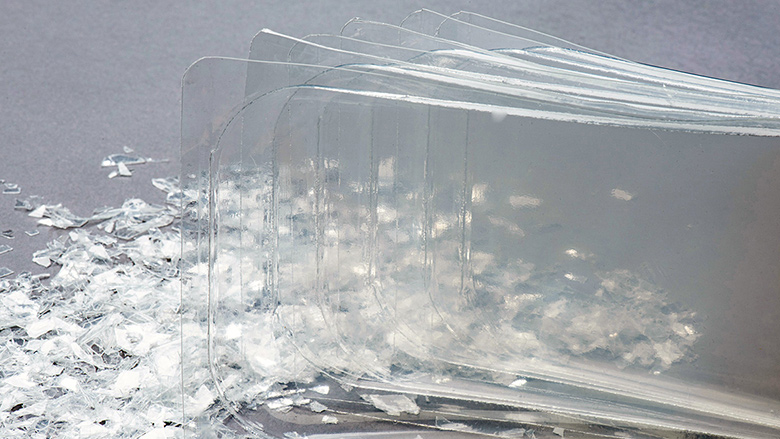
Water-based Epotal® laminating adhesives support packaging recycling within existing infrastructure and processes. They are designed to enable easy separation of materials in PET-based multilayer packaging and to produce safe recyclates from mono-material films without harmful substances such as primary aromatic amines (PAA).
When used in multilayer film structures, the adhesives provide mechanical stability, printability, or light barrier properties in PPWR-ready packaging. They also support laminated packaging that withstands heat stress, home-compostable food packaging, and fully debondable PET/PE structures for recycling.
Additional benefits include lower manufacturing costs through easier handling, greater flexibility, time savings, and improved production safety.
POWER ADHESIVES: Hot Melt
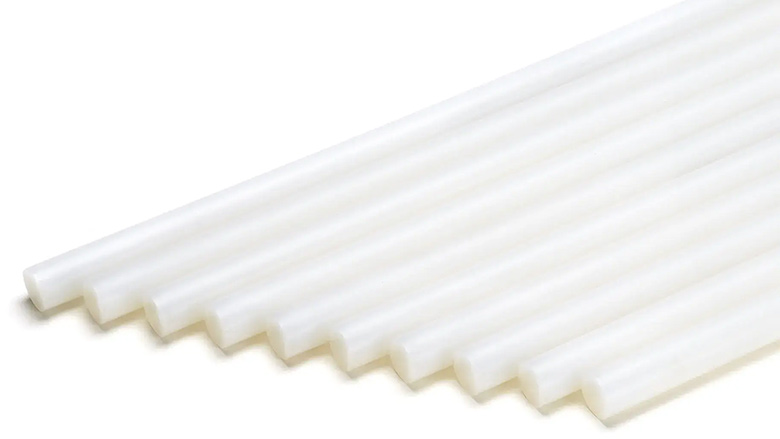
Credit: Courtesy of Power Adhesives
Developed for use on uncoated cardboard, Tecbond 114 is ideal for carton closing, tray assembly, and for use with packaging inserts. With its fast setting speed and strong initial bond, it helps businesses reduce the cost-per-carton closure, reducing adhesive usage per box, while increasing production efficiency.
Available in 12mm, 15mm, and 43mm shaped formats, the adhesive delivers best results when used with the Tec range of hot-melt applicators.
Joining Power Adhesives’ recently expanded range of biodegradable hot melts, Tecbond 902B-PL, Tecbond 351B-PR and Tecbond 351B-PR, Tecbond 114 is suitable for use in high-speed packaging environments and precision manufacturing, offering reliable adhesion to a wide variety of substrates.
UPM ADHESIVE MATERIALS: Label Adhesives

Credit: Kanawa_Studio / iStock via Getty Images Plus
UPM PharmaSure™ for pharmaceuticals, UPM Vetro™ for wine and spirits, and UPM Endurance™ for oil and industrial chemicals are designed to meet the performance requirements of their respective applications. Each is part of the UPM Raflatac™ portfolio of label materials.
These adhesives are designed to withstand the conditions typical of their target industries, including sterilization cycles and cold-chain storage in pharmaceutical applications, humidity and ice-bucket immersion for wine and spirits, and chemical exposure and hot-fill conditions for industrial chemicals. In addition, they are supported by pre-assessed performance data and application documentation to help streamline qualification and regulatory processes for converters and brand owners.
Looking for a reprint of this article?
From high-res PDFs to custom plaques, order your copy today!


.webp?height=200&t=1650973836&width=200 "Catbridge 140 salvage winder")