Improving Polymer Chemistries
With careful research, polymer chemistries can be tailored to end-use applications.
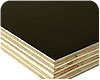
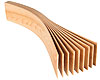 Polymers have been used in the formulation of adhesives for decades. In recent years, the technology base has been optimized and expanded to include a broader range of polymer chemistries. Polymers used for adhesive formulation include water-based acrylic emulsions and solid acrylics, urethane and urethane-acrylic dispersions, and solvent-based polyesters. This later technology is ideal for the lamination of filmic substrates used in flexible packaging. Today, polymers play a major role in the formulation of adhesives for a broad range of applications in other packaging markets such as lidding, labeling, and blister-pack, as well as industrial markets like automotive, general lamination, wood bonding, and consumer markets.
NeoCryl BT-207, a water-based acrylic emulsion, is a viable alternative to natural casein products that have been predominantly used in this market. Historically, adhesive formulators have faced major difficulties when replacing natural casein-based adhesives for bottle labeling applications. Manufacturers of synthetic polymers struggled to match the full performance range and benefits of casein. However, due to issues with supply constraints, consistent quality and the price volatility of casein, there is a real need to find a synthetic alternative.
The performance of NeoCryl BT-207 closes this gap, offering enhanced performance for high-speed stable viscosity over a pH range of 8-8.6 with improved hyper-condensation resistance for cold-fill bottle labeling. In addition, the emulsion is not susceptible to biological attack. The combination of these benefits provides an advantage in the form of overall cost reduction.
Using its capabilities and knowledge of polyester chemistry for can and coil coatings, DSM has developed a polyester polymer for use as a high-performance lamination adhesive. NeoRez P-900, a high-molecular-weight, OH-functional polyester polymer, is recommended for use as a universal laminating adhesive for flexible packaging and filmic substrate applications.
This polymer displays excellent adhesion to a broad range of substrates, including co-extruded polypropylene, biaxial-orientated polypropylene and polyester, polyethylene, polyamide, and aluminum. NeoRez P-900 can be formulated to take advantage of the high molecular weight to improve productivity with faster lamination throughput, lower post-curing temperature and a more rapid post-curing time.
Performance can be enhanced with the addition of an isocyanate crosslinker, which can lead to an overall cost reduction due to the lessened amount of crosslinker required to equal the performance of competitive urethane systems. NeoRez P-900 also features high performance and maintains excellent bond strengths under retorting conditions, which makes it ideal as a flexible packaging lamination adhesive and an alternative to commercial crosslinked, solvent-based urethanes. NeoRez P-900 is free of aromatic isocyanate and amine additives in its composition and is compliant with the U.S. Food and Drug Administration’s food contact requirements.
NeoRez R-1400 is an aliphatic polyester urethane polymer dispersion developed for heat-activated adhesive formulation. NeoRez R-1400 offers the combined properties of low temperature activation, good early green strength, and high temperature resistance when crosslinked with poly-dispersible isocyanate.
The polymer imparts high bond strengths and displays excellent adhesion to a variety of materials, including wood, common grades of plastic films, and vinyl laminates. The low activation temperature characteristic of the polymer makes this resin ideal for use in waterborne adhesives that require reduced bonding temperatures (i.e., in applications where temperature-sensitive substrates are used, such as decorative vinyl lamination in automotive interiors and kitchen cabinet assemblies).
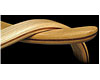
NeoPac E-850 is a formaldehyde-free, water-based aliphatic polyester urethane-acrylic dispersion. This system was developed specifically for use in wood furniture adhesives due to its bond strength and excellent water and heat resistance. As a water-based polymer, it can be highly loaded with mineral fillers to reduce the overall water content in the formulated adhesive without loss of adhesion properties. This is a necessary requirement for most wood laminating production methods in controlling viscosity, wood penetration and faster drying.
The product can be used in adhesives to form flat or shaped laminated parts. The nature of the resin imparts the necessary performance to withstand bond stresses in the laminate along bends in the formed components. In addition, it exhibits good water and fatigue resistance properties. The product meets the standards of major flat-pack supplier regulations regarding formaldehyde-free and wood furniture construction performance.
For more information, visit www.dsm.com.
Bottle Labeling
Synthetic polymers are commonly used for paper and polyester labeling substrates. Water-based acrylic copolymers using acid-stabilized colloidal or emulsion technology offer an excellent balance of adhesion and end-performance properties for bottle labeling applications. The main challenge is to balance stable application viscosity (for high-speed filling lines), high-performance adhesive properties and ease of label removal for recycling.NeoCryl BT-207, a water-based acrylic emulsion, is a viable alternative to natural casein products that have been predominantly used in this market. Historically, adhesive formulators have faced major difficulties when replacing natural casein-based adhesives for bottle labeling applications. Manufacturers of synthetic polymers struggled to match the full performance range and benefits of casein. However, due to issues with supply constraints, consistent quality and the price volatility of casein, there is a real need to find a synthetic alternative.
The performance of NeoCryl BT-207 closes this gap, offering enhanced performance for high-speed stable viscosity over a pH range of 8-8.6 with improved hyper-condensation resistance for cold-fill bottle labeling. In addition, the emulsion is not susceptible to biological attack. The combination of these benefits provides an advantage in the form of overall cost reduction.
Flexible Packaging
The significant growth of filmic substrates for flexible packaging is well known; lightweight alternatives to metal cans offer consumers ease of use and allow for more decorative and attractive graphics that are ideal for point-of-sale and marketing promotions. The package itself is constructed of bonded layers of different filmic substrates, including metalized layers and alumina foils, and incorporates closing mechanisms for ease of storage. The ideal adhesive must achieve universal high bond strength with the different material layers, as well as high performance in a variety of packaging procedures, including pasteurizing and retortable processes.Using its capabilities and knowledge of polyester chemistry for can and coil coatings, DSM has developed a polyester polymer for use as a high-performance lamination adhesive. NeoRez P-900, a high-molecular-weight, OH-functional polyester polymer, is recommended for use as a universal laminating adhesive for flexible packaging and filmic substrate applications.
This polymer displays excellent adhesion to a broad range of substrates, including co-extruded polypropylene, biaxial-orientated polypropylene and polyester, polyethylene, polyamide, and aluminum. NeoRez P-900 can be formulated to take advantage of the high molecular weight to improve productivity with faster lamination throughput, lower post-curing temperature and a more rapid post-curing time.
Performance can be enhanced with the addition of an isocyanate crosslinker, which can lead to an overall cost reduction due to the lessened amount of crosslinker required to equal the performance of competitive urethane systems. NeoRez P-900 also features high performance and maintains excellent bond strengths under retorting conditions, which makes it ideal as a flexible packaging lamination adhesive and an alternative to commercial crosslinked, solvent-based urethanes. NeoRez P-900 is free of aromatic isocyanate and amine additives in its composition and is compliant with the U.S. Food and Drug Administration’s food contact requirements.
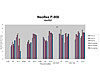
Table 1. Bonding Strength vs. Time and Condition
Heat-Activated Adhesives
Urethane dispersions are used for heat-activated adhesives in industrial lamination processes for the construction of automotive interiors such as dashboards, door trims and roof linings. These dispersions are also used in the manufacture of kitchen cabinets, laminating PVC foils onto MDF board, and rigid plastic lamination of credit card and graphic display panels. DSM Coating Resins uses both pre-polymer and inversion polymerization production techniques to produce a range of urethane dispersions. Careful selection of raw materials and processing conditions yields polymers that are solvent-free, easy to formulate, and feature low activation temperatures and high bond strength (which can be formulated to attain high temperature resistance).NeoRez R-1400 is an aliphatic polyester urethane polymer dispersion developed for heat-activated adhesive formulation. NeoRez R-1400 offers the combined properties of low temperature activation, good early green strength, and high temperature resistance when crosslinked with poly-dispersible isocyanate.
The polymer imparts high bond strengths and displays excellent adhesion to a variety of materials, including wood, common grades of plastic films, and vinyl laminates. The low activation temperature characteristic of the polymer makes this resin ideal for use in waterborne adhesives that require reduced bonding temperatures (i.e., in applications where temperature-sensitive substrates are used, such as decorative vinyl lamination in automotive interiors and kitchen cabinet assemblies).
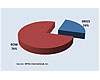
Figure 1. Multiple Benefits Provide Overall Cost Reduction
Wood Adhesives
Urea-formaldehyde resins have been used for many years as the workhorse adhesives in wood bonding applications. Inexpensive thermoset urea-formaldehyde is ideally suited to the high performance and long life requirements in applications such as the low-cost, high-volume furniture market and general wood lamination. In today’s market, however, additional focus has been placed on reducing environment impact and maintaining worker safety. The use of formaldehyde is therefore under pressure, and the market is looking for viable alternatives.NeoPac E-850 is a formaldehyde-free, water-based aliphatic polyester urethane-acrylic dispersion. This system was developed specifically for use in wood furniture adhesives due to its bond strength and excellent water and heat resistance. As a water-based polymer, it can be highly loaded with mineral fillers to reduce the overall water content in the formulated adhesive without loss of adhesion properties. This is a necessary requirement for most wood laminating production methods in controlling viscosity, wood penetration and faster drying.
The product can be used in adhesives to form flat or shaped laminated parts. The nature of the resin imparts the necessary performance to withstand bond stresses in the laminate along bends in the formed components. In addition, it exhibits good water and fatigue resistance properties. The product meets the standards of major flat-pack supplier regulations regarding formaldehyde-free and wood furniture construction performance.
For more information, visit www.dsm.com.
Links
Looking for a reprint of this article?
From high-res PDFs to custom plaques, order your copy today!