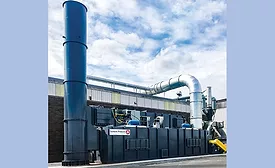
Regenerative thermal oxidizers can be the most effective and cost-efficient way to destroy VOCs in the adhesives and sealants industry.
The manufacture and application of solvent-based adhesives and coatings release significant emissions of volatile organic compounds (VOCs) into the environment.
Adhesive bonds will be tested at the Bridgestone World Solar Challenge 2019.
A team of students from RWTH Aachen University and FH Aachen plan to enter their self-constructed, solar-powered electric car in perhaps the world’s toughest solar car race: the Bridgestone World Solar Challenge 2019, which takes place October 13-20 in Adelaide, Australia.
OEMs that make parts or products from flat-rolled steel, aluminum and other metals are outsourcing to experienced coil coaters.
For original equipment manufacturers (OEMs) that apply laminate films to metal parts or apply coatings as decorative finishes, the in-house manufacturing process requires a significant investment in equipment, plant floor space and ongoing maintenance for what can be a very temperamental process.
Companies that import chemicals from an EU-based manufacturer may need to take on registration obligations in order to continue importing those products.
I was delighted to have spoken alongside colleagues from the Department for Business, Energy and Industrial Strategy at the British Adhesives and Sealant Association event on March 28.
 RSS
RSS