Adhesive Technology Trends Driving Packaging Innovation
Although adhesive traditionally has created one of the biggest hurdles to effective recycling, recent innovations offer new opportunities.

Nikita Burdenkov / iStock / Getty Images Plus
solarseven / iStock / Getty Images Plus
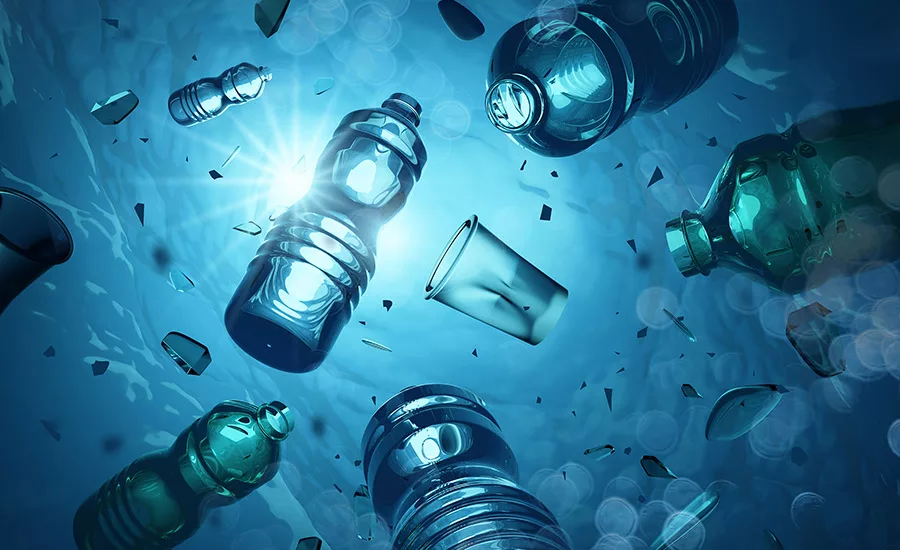
The packaging industry is undergoing a revolution. The shift to PET bottles in various industries raises the question of sustainability, particularly as labels produce obstacles to recycling efforts worldwide. Although adhesive traditionally has created one of the biggest hurdles to effective recycling, recent innovations offer new opportunities. Researchers look for unique ways to maintain high levels of efficacy and durability, without relying on harsh chemicals or generating large amounts of waste or carbon emissions. These trending and cutting-edge developments allow adhesive manufacturers to create products that make recycling simpler and more effective.
Natural, Non-Hazardous Adhesives
Using natural ingredients in adhesives can improve sustainability efforts, as well as increase the health and safety of the people living and working in places where the adhesive is used. Developments in water-based adhesives have created opportunities for manufacturers to produce adhesives for lower costs without having to use harsh solvents. The chemical components also make these adhesives easier to recycle.
Not all natural products are non-hazardous, which highlights the importance of care in choosing the right materials. For example, formaldehyde has been used as an adhesive in many industries. Despite its natural makeup, formaldehyde is a known carcinogen. As a volatile organic compound, formaldehyde can off-gas contaminants into spaces surrounding it. Manufacturers selecting the right adhesive for packaging can minimize health effects and other environmental concerns.
Digital/Smart Labeling
The rise in digital and smart labeling creates new challenges for adhesive manufacturers. Businesses expect to be able to print labels using machines and automated processes. Smart labeling allows transportation companies and consumers to get more information about packages with a simple scan of a smart device. Durability in the label, the printing and the adhesive is considered to be the biggest priority. Given the highly detailed printing requirements of smart labeling, the adhesive must be able to withstand a variety of environments without breaking down or causing the ink to bleed. Working together, the adhesive and packaging industries can devise combinations that provide the durability that businesses need.
Wash-Off Adhesives
Adhesives and labels can present several challenges for future recycling efforts, emphasizing a need for an adhesive that is easy to remove. The ability to wash off an adhesive increases the likelihood that the item can and will be recycled or reused. Wash-off adhesives come from several companies, typically relying on pressure-sensitive labelers. The latest options can handle high or low temperatures, making them ideal for rapid changes in temperature or storage in colder climates. These adhesives pose new opportunities for organizations seeking to recycle or reuse their labels.
Adhesive in Recycling
Innovations in adhesive recycling increase the viability of sustainability efforts. The rise in the use of PET bottles drives technological advancements in addressing the obstacles hindering the reuse and recycling of these materials. Specifically, adhesive manufacturers have developed water-based adhesives that can dissolve away by using water that is particularly acidic or alkaline. With these adhesives, organizations can easily rinse away the adhesive, keeping the label intact for reuse or recycling. Use of this type of adhesive can help manufacturers and packaging experts provide sustainable options for their clients.
Recycling Plastics into Adhesive
Given that a quarter of all plastics are used for packaging, and only about 9% of plastic products have ever been recycled1, finding ways to recycle plastic into adhesives has become a key component of industry sustainability. Taking PET bottles as a chief component, some researchers have been able to turn these plastics into polyester polyols, which can then be turned into adhesives. Other organizations have found a way to turn the plastic in disposable diapers into liquid that can be converted into adhesive. Investing in these technologies could allow manufacturers to lower their carbon footprint, while contributing to important recycling efforts.
Dissolvable Adhesive
While the label often creates problems for package recycling efforts, the adhesive itself is usually the primary culprit. Adhesive creates sticky spots, making it harder for packages to be cleaned or broken down into smaller pieces. Adhesive can also stick to equipment, leading to lower productivity, breakdowns, and clogs. Dissolvable adhesive simplifies this aspect of the process. Some adhesives can be easily dissolved as part of the recycling process, making the labels easy to remove and put to other uses. A custom label manufacturer and an adhesive producer could collaborate to ease the burden on recycling organizations, businesses, and consumers.
Temperature-Resistant Adhesive
For many types of packaging, keeping labels in place despite the environment is a crucial component. Temperature-resistant adhesive has several applications, including in the medical and aerospace industries. Unique technological innovations have produced high-temperature adhesives that maintain essential qualities at about 300 degrees Fahrenheit or more.2 These advancements pose a number of potential developments for packaging, transport, and other industries that rely on adhesives. Specifically, adhesives that can withstand high or low temperatures can maintain a tight bond or hold packaging together for longer, improving the safety and viability of the package.
Lower-Carbon Wax Adhesive
Most waxes used in the packaging industry come from crude oil, highlighting the importance of finding options that use less carbon. Microcrystalline wax offers a high melting point and great strength, making it ideal for the packaging industry. Hot-melt adhesives such as wax can be applied quickly and seamlessly using machines, which explains the popularity of the method in the industry. Lower carbon wax options are designed to integrate into these packaging machines, so that manufacturers can reduce their carbon footprint without compromising accuracy or performance.
Sustainability in packaging has never been more important, and the adhesive industry is leading the way to greater opportunities. In the past, adhesives were weaker, often made of materials that would release harmful chemicals, melt in high heat, or fail to perform under uncommon conditions. The latest advancements in adhesive technology are changing the landscape for the packaging industry. Packaging professionals can take advantage of adhesives that will wash away, break down during recycling, and lower their overall waste and emissions, without a decrease in adhesive performance.
Learn more about Chicago Tag & Label at www.chicagotag.com.
References:
- https://www.technologyreview.com/2023/10/12/1081129/plastic-recycling-climate-change-microplastics/
- https://www.hot-melt-glue.com/en/news.php?act=view&id=73
Sources:
https://www.epa.gov/indoor-air-quality-iaq/volatile-organic-compounds-impact-indoor-air-quality
https://www.technologyreview.com/2023/10/12/1081129/plastic-recycling-climate-change-microplastics/
https://www.hot-melt-glue.com/en/news.php?act=view&id=73
https://finance.yahoo.com/news/sasol-chemicals-launches-lower-carbon-135728916.html
https://www.accutekpackaging.com/how-modern-labeling-technology-is-revolutionizing-packaging/
Looking for a reprint of this article?
From high-res PDFs to custom plaques, order your copy today!