Construction Demand Is Returning — Can Your Supply Chain Keep Up?
Companies that align sales, operations, and supply chains are best positioned for construction market growth.
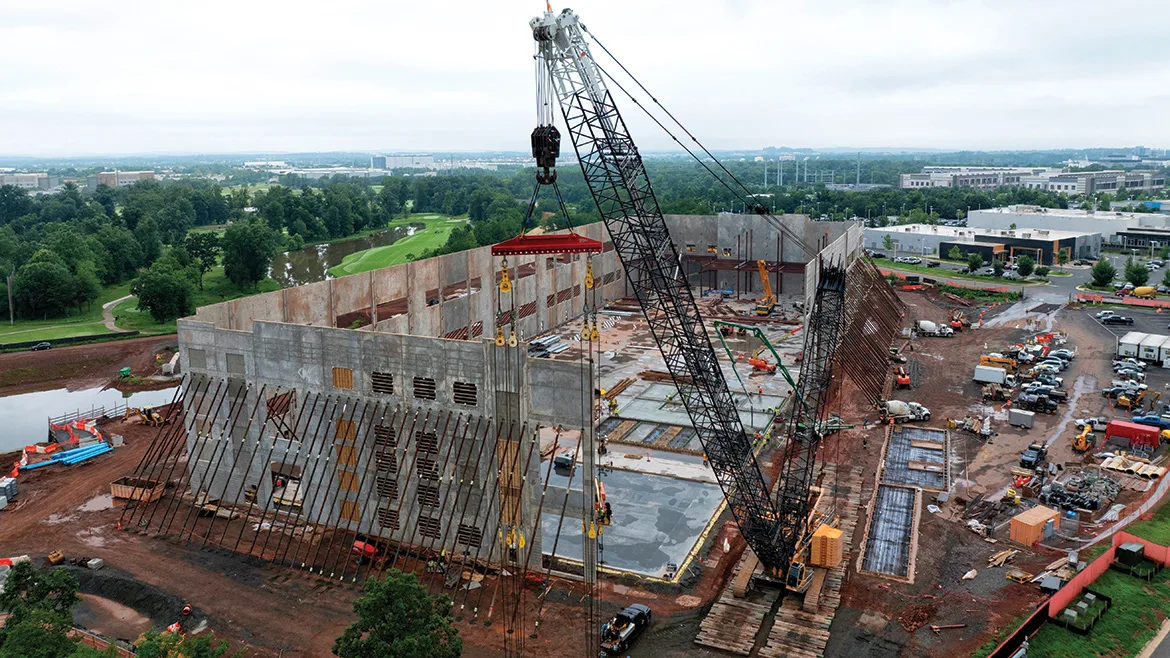
Construction markets are regaining momentum, fueled by substantial U.S. manufacturing investments, rebuilding efforts, infrastructure spending, and growing exports. This creates significant opportunities for manufacturers that supply adhesives, sealants, insulation, rubber products, and other building materials. Although growth is encouraging, demand rarely returns in a smooth, predictable fashion. Instead, manufacturers face project-driven spikes, seasonal fluctuations, regional differences, labor constraints, and transportation challenges that can quickly overwhelm operations if they are not prepared. Companies that thrive are those that align demand, supply, and capacity before the orders arrive.
Plan Ahead with SIOP
Sales, Inventory & Operations Planning (SIOP) provides the framework to translate market demand into actionable operating plans. By bringing together sales, operations, procurement, finance, and supply chain leaders, companies gain visibility into future demand, available capacity, inventory requirements, supplier constraints, and transportation needs. Rather than reacting to shortages, expedited freight, or excess inventory, organizations can proactively level production, balance resources, and make informed tradeoffs that improve customer service while protecting profitability.
For example, a rubber plumbing components manufacturer experienced significant demand increases leading into its peak construction season. To meet customer demand, the company relied heavily on hiring temporary labor and then reducing its workforce once the season ended, creating operational inefficiencies, higher labor costs, and expedited production and freight to maintain service levels. By implementing a SIOP process and developing capacity planning dashboards from its ERP system, the company gained the visibility needed to plan months in advance. Production was leveled across available capacity, hiring became more predictable, customer service improved, and the company successfully supported ambitious growth objectives while minimizing overtime, temporary staffing, and expedited costs.

Credit: asbe / E+ via Getty Images Plus
Strengthen Inventory and Distribution
Planning doesn't stop at the factory. Inventory positioning and distribution strategies are equally important as construction activity accelerates. Manufacturers must determine where inventory should be positioned, how frequently products should be replenished, and how transportation resources can be utilized most effectively to support customers while controlling costs. Advanced planning systems (APS) further enhance these capabilities by continuously evaluating demand changes, inventory levels, production schedules, and transportation options to optimize decisions across the supply chain.
An insulation manufacturer experienced significant service issues following the pandemic as demand patterns shifted and traditional replenishment practices no longer aligned with customer needs. The company redesigned its inventory replenishment strategy, established consistent truck runs to major distribution centers, optimized safety stock levels, and expanded its use of forecasting and advanced planning systems. The results were dramatic. Service levels improved by more than 50 percentage points into the 90% range while inventory levels were reduced at key distribution locations, improving both customer satisfaction and working capital performance.
The Bottom Line
Construction demand creates tremendous opportunities, but only for companies prepared to execute consistently. Manufacturers that combine disciplined SIOP processes with effective forecasting, inventory replenishment, capacity planning, and advanced planning technologies position themselves to respond quickly to changing market conditions while controlling costs and delivering superior customer service. As construction activity continues to evolve, the organizations that plan ahead and not simply react will be best positioned for profitable, scalable growth.
For more information, contact the author at landerson@lma-consultinggroup.com or visit www.lma-consultinggroup.com.
Looking for a reprint of this article?
From high-res PDFs to custom plaques, order your copy today!