Transforming Recycled Plastics into High-Performance Hot Melts
New materials and formulation strategies are helping post-consumer recycled plastics overcome performance challenges in hot-melt adhesives.
Need to Know
- Advances in materials science are helping address the strength, consistency, and processing challenges that have limited post-consumer recycled plastics.
- Chain extenders can increase molecular weight, melt stability, durability, viscosity stability, and melt flow performance in recycled polymers.
- Antioxidants, stabilizers, mineral extenders, compatibilizers, and adhesion promoters can help address degradation, rheology, and substrate adhesion challenges.
- Functionalized polymers and techniques such as solid-state polycondensation can improve the mechanical properties and consistency of recycled feedstocks.
Recycled plastic hot-melt adhesives are showing promise following advancements in materials science, including polymers and novel formulations. Post-consumer recycled (PCR) plastics could replace common inclusions, such as virgin polyolefins, helping the adhesives and sealants sector achieve greater sustainability gains. The transition would be a significant win, primarily by promoting circular packaging solutions and addressing other industry challenges, such as thermal degradation and fluctuations in viscosity stability and melt flow index.
Polymer Upcycling and Chain Repair
PCR feedstocks have variable strength because they have already degraded to some extent. They have been dismissed as a viable alternative to virgin materials due to quality disparities, but chain repair can make them as strong as, if not stronger than, their previous iteration.
The innovation could introduce PCR plastics into more high-demand applications, making them a staple base material for hot melts rather than a concern for precise rheology control. Typically, every melt cycle erodes the polymer chains in PCR polyolefins, weakening them. They could become thermally unstable and lower in molecular weight, posing safety and quality risks, especially in intensive industries, such as construction or aerospace.
Chain extenders improve the performance of upcycled materials, making them suitable for industrial applications. Melt stability and overall durability increase, along with improved viscosity stability and melt flow index values, due to the higher molecular weight. If chains remain repairable, recycled feedstocks have greater inherent value to industry stakeholders.
Advanced Antioxidant and Stabilizer Packages
The recycling process and repeated melt cycles introduce impurities into the formulations. Contamination, gelation, and radical formation are only a few issues encountered during conventional upcycling. A monumental drop in viscosity and elasticity is one of the most detrimental side effects, leading researchers to develop antioxidant packages.
These additives combine radical scavengers, or primary antioxidants, with other additives, such as heat stabilizers and foaming agents, to impart new properties to formulations. These changes protect the polymer in subsequent stages of its life cycle, allowing it to adapt to industrial need rather than degrade.
Strategic Use of Functional Mineral Extenders
While fillers in recycled plastic hot-melt adhesives can reduce costs, they can also enhance performance and lifespan. Some formulations need the rheological synergy and thermal stability improvements that additives can provide. Mineral extenders are vital components that make PCR-based hot melts potentially more consistent in quality and purity.
For example, kaolin is a frequent filler in caulks and adhesives. It is an additive that introduces many improvements to the sealant, while enhancing wet strength, flow and substrate fill for durability. It also alters viscosity, so it binds more effectively, making it a more powerful product.
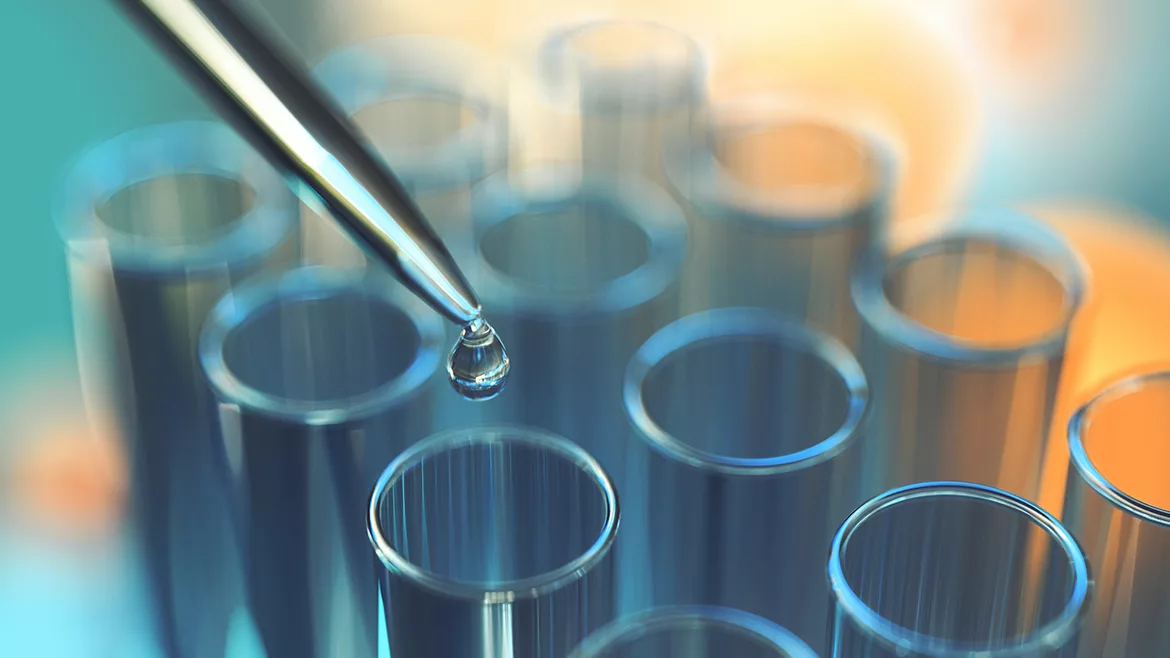
Credit: aydinmutlu / iStock via Getty Images Plus
Enhanced Substrate Adhesion via Compatibilization
PCR plastics often fail to bond to more complex substrates with lower surface energy, such as corrugated board or thin films, rendering them unusable without targeted improvements. The impurities in most PCR plastics complicate the situation.
However, researchers have begun incorporating compatibilizers and adhesion promoters into PCR formulations to enhance bonding potential, even under stress. Chlorinated polyethylene (CPE) is a strong contender, as it has already been used in intensive industries such as construction and automotive since the 2010s. Experts use reactive processing to enhance CPE's responsiveness to polar substrates, thereby improving compatibility and potentially benefiting PCR-based hot melts.
Improved substrate adhesion is ideal for facilities striving to meet additional environmental objectives, in addition to using recycled feedstocks. It leads to less waste and defective by-products by improving overall quality. These changes in industrial practices will allow sealant and adhesive manufacturers to incorporate more circular practices into their workflows, such as:
- Reducing waste
- Prioritizing longer-lasting materials
- Encouraging natural systems regeneration
- Lowering pollution
- Incorporating recycling programs and infrastructure
Precision Rheology Control With Functional Polymers
The introduction of novel polymers reinforces and enhances the abilities of PCR plastics, especially since the output is so variable. Flow behavior can shift rapidly, even due to the smallest temperature changes. Functionalized polymers, including maleic anhydride, bridge this gap. They can improve strength by surrounding waste plastics, such as polyethylene terephthalate, with a core-shell structure, thereby enhancing morphology.
Another strategy is solid-state polycondensation (SSP), which boosts the viscosity and molecular weight of eroded polymers. For materials such as polyhydroxyalkanoate-type polymers, it improves these properties by up to 40%. Ultimately, these optimizations in material inclusions and processing techniques allow PCR plastics to withstand the recycling process while producing a product with a stronger crystalline structure and improved mechanical performance.
Development of Recycled Plastic Hot-Melt Adhesives
From reactive formulations for better surface adhesion to improving structural integrity, PCR plastics have become a viable solution for adhesive experts. Before, they were too inconsistent and variable to be a serious feedstock. Now, they are a competitive option for companies. Those who experiment and adopt them early will have an advantage in the market, leveraging what would have been waste materials for profitable, durable and reliable sealants.
Looking for a reprint of this article?
From high-res PDFs to custom plaques, order your copy today!