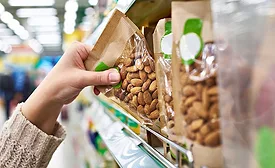
Compostable flexible packaging provides converters and brand owners another tool toward reducing, reusing, composting, and recycling.
Under its worldwide Flextra™ Evolution brand, H.B. Fuller announced two new compostable adhesive solutions that offer differentiated advantages in terms of sustainability goals and manufacturer benefits.
The company is investing in projects around the world that maintain steady progress in each of the company’s three sustainability pillars.
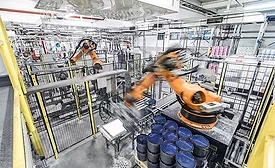
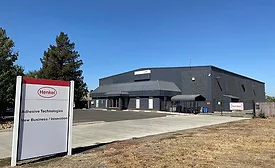
Within its Adhesive Technologies business unit, Henkel’s Global Operations and Supply Chain organization has put sustainability goals for its operations into action.
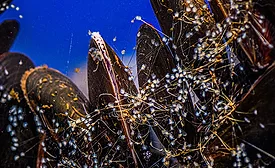
Purdue University chemists are studying shellfish to develop new, safer, and more sustainable adhesives for uses ranging from bandages and medical applications to clothing, household items, electronics, and more. Humans have been trying to stick things to other things for millennia. But shellfish have been doing it for eons longer, and they are far better at it than humans.
The award recognizes products, processes, or initiatives that illustrate a commitment to innovating for a sustainable future for society.
Arkema’s commitment to advanced bio-circular polyamide 11 was recently honored with a Sustainable Leadership Award for Societal Contributions by the American Chemistry Council (ACC).
Many industries have struggled due to the impact of COVID-19, but ecommerce certainly isn’t one of them. eMarketer reports that retail ecommerce sales alone grew 27.6% globally in 2020, to reach nearly $4.3 trillion.
Lux Research identifies and ranks 12 key technologies that will reshape the world and ranks the top five technologies for the chemicals and materials industry.
Trends like sustainability and digitalization are going to dramatically change the chemicals and materials industry over the next 20 years, according to a report from Lux Research.