You need to look at so-called “shadow curing” options. Most UV-cured systems are based on acrylates and methacrylates and cure free-radically by the decomposition of a photoinitiator.
Marcy Gainey of TechCheck LLC, the RadTech regulatory consultant, is offering complimentary support to RadTech members for any project involved with helping to get supplies to the front lines of the fight against the coronavirus.
April 14, 2020
Many RadTech members are working to assist those on the “front lines” of combat against COVID-19.
In addition to Excelitas’ booth at RadTech, Marvin Ruffin, business development manager, will present a session entitled “Preventing Hospital-Acquired Infections with UVC LEDs” during the co-located 2020 IUVA Americas Conference UV for Healthcare Applications Track.
March 3, 2020
Excelitas Technologies Corp. recently announced that it will highlight its OmniCure LED UV curing systems at RadTech UV+EB 2020, which will be held March 8-11 in Orlando, Fla.
The American Coatings Show will run simultaneously with the American Coatings Conference this year, offering show and conference attendees more networking and business opportunities.
February 27, 2020
Coatings professionals are gearing up for the 2020 American Coatings Show and Conference (ACS/ACC), which will be held March 31-April 2 at the Indiana Convention Center in Indianapolis.
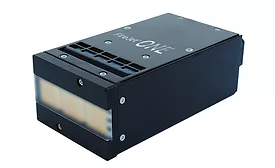
Phoseon reports that the new FJ801 light source is designed primarily for production environments that require area curing, such as manufacturing lines for micro-speakers and camera modules.
February 20, 2020
Phoseon Technology recently announced the launch of its FireJet FJ801 area curing solution, targeting adhesives cure applications in electronics manufacturing and lab material/substrate curing.
This first installment of a two-part series highlights the value proposition of today's adhesive chemistries and curing methods to high-value end-use markets.
While the process steps in a UV LED manufacturing conversion are slightly more involved than a direct-swap mercury replacement, the benefits are often significant and well worth the time and effort.
In industrial manufacturing, companies often push the life of capital equipment in the hope of optimizing operational costs by utilizing assets that have long since been paid off. However, when the line goes down and failure ultimately occurs, companies can be left scrambling to secure the necessary replacements to resume production. When direct replacements and spare parts are standard and readily available, this practice is justifiable and cost effective. In cases where replacement items have long lead times or have become obsolete and replaced by technology that is not a drop-in solution, waiting until failure can be disastrous to a company’s bottom line.