Trends Shaping the Next Generation of Adhesives and Sealants
How new materials and market demands are driving formulation innovation.
Need to Know
- Sustainability is becoming a design consideration, influencing raw material selection while formulations must continue to meet performance requirements.
- Hybrid technologies are gaining momentum, combining characteristics from multiple chemistry platforms to address broader performance needs.
- New substrates and faster production are changing requirements, driving demand for substrate versatility and rapid-cure technologies.
- Durability remains essential, even as digital tools, regulatory requirements, and manufacturing efficiency influence product development.
The adhesives and sealants industry is experiencing a period of rapid change. Market expectations continue to evolve as manufacturers seek products that are stronger, more durable, easier to process, and better aligned with sustainability goals. At the same time, engineers and formulators are being asked to solve increasingly complex challenges involving new substrates, more demanding service environments, and tighter regulatory requirements.
What makes the current moment particularly interesting is that innovation is no longer driven by a single trend. Instead, several developments are happening simultaneously. Sustainability initiatives are influencing raw material selection. Manufacturing processes are requiring faster cure speeds and greater automation compatibility. New construction methods and lightweight transportation designs are creating demand for improved bonding technologies. Digital tools and advanced testing methods are helping formulators optimize performance more efficiently than ever before.
As a result, the next generation of adhesives and sealants will likely be defined by a combination of performance, efficiency, durability, and environmental responsibility rather than any one characteristic alone.
Sustainability Becomes a Design Requirement
For many years, sustainability was often viewed as a secondary consideration after performance and cost. Today, it has become a key element of product development across the CASE industry.
Manufacturers are exploring renewable and bio-based raw materials, lower-emission formulations, and technologies that support circular economy objectives. Customers increasingly want products that help reduce environmental impact without sacrificing reliability or service life.
One of the first questions formulators ask about a new sustainable raw material is whether it can match the performance of the incumbent technology. That is often where the real work begins. A formulation may look promising on paper, but durability, adhesion, weathering resistance, and long-term stability still need to be proven through testing.
This creates a balancing act for formulators. New materials must deliver the required mechanical properties, adhesion, flexibility, weatherability, and chemical resistance while helping organizations meet sustainability targets.
Hybrid Technologies Continue to Gain Momentum
In the past, many adhesive specifications were still centered on choosing between polyurethane, silicone, or acrylic technologies. Today, formulators increasingly evaluate hybrid systems that borrow strengths from multiple chemistries.
Formulators often selected a chemistry platform based on a specific performance advantage. Silicones offered excellent weatherability and temperature resistance. Polyurethanes provided strong adhesion and flexibility. Acrylic systems delivered fast cure speeds and durable bonding. Today's market increasingly favors technologies that combine the advantages of multiple chemistry platforms while minimizing their limitations.
Modified silane polymers, hybrid polyurethane systems, and advanced reactive technologies are becoming increasingly common because they provide a broad range of performance characteristics. These systems can offer strong adhesion to multiple substrates, low shrinkage, weather resistance, paintability, and reduced VOC content.
The appeal of hybrid technologies extends beyond performance. Manufacturers often seek solutions that simplify inventory management and reduce formulation complexity. A versatile platform that performs well across multiple applications can create efficiencies throughout the supply chain. As material developers continue to refine these technologies, hybrid systems are likely to occupy an even larger role in future adhesive and sealant formulations.
Lightweight Materials Drive New Bonding Requirements
The increasing use of lightweight materials in transportation, construction, and industrial manufacturing is creating new opportunities and challenges. Traditional joining methods such as welding and mechanical fastening continue to play important roles, but adhesive technologies offer several advantages when working with modern substrates. Adhesives distribute stress more evenly across bonded surfaces, reduce the need for fasteners, and can help support lightweight design objectives.
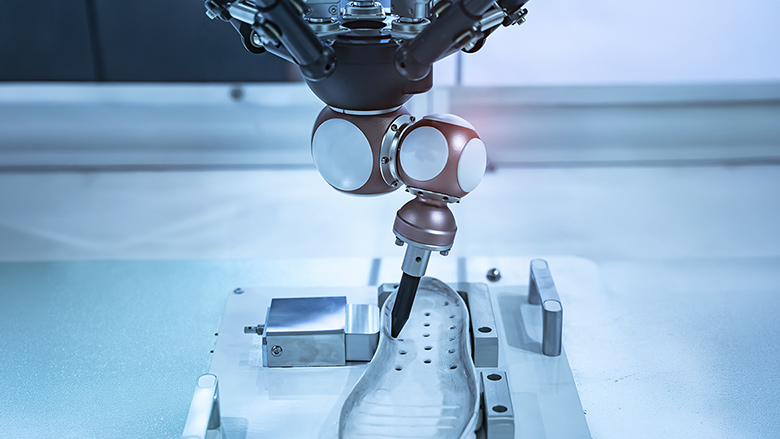
Automotive manufacturers, for example, continue to increase their use of aluminum, composites, and engineered plastics. Similar trends are occurring in commercial transportation, renewable energy equipment, and building systems. Many of these substrates present unique adhesion challenges. Differences in surface energy, thermal expansion, and long-term environmental exposure require careful consideration during formulation development.
As a result, adhesive suppliers and formulators are investing significant effort into technologies that improve adhesion to difficult substrates while maintaining durability over extended service life. Surface preparation methods, adhesion promoters, and advanced polymer architectures are all contributing to improved bonding performance. The importance of substrate versatility will likely continue to increase as manufacturers explore additional lightweight material options.
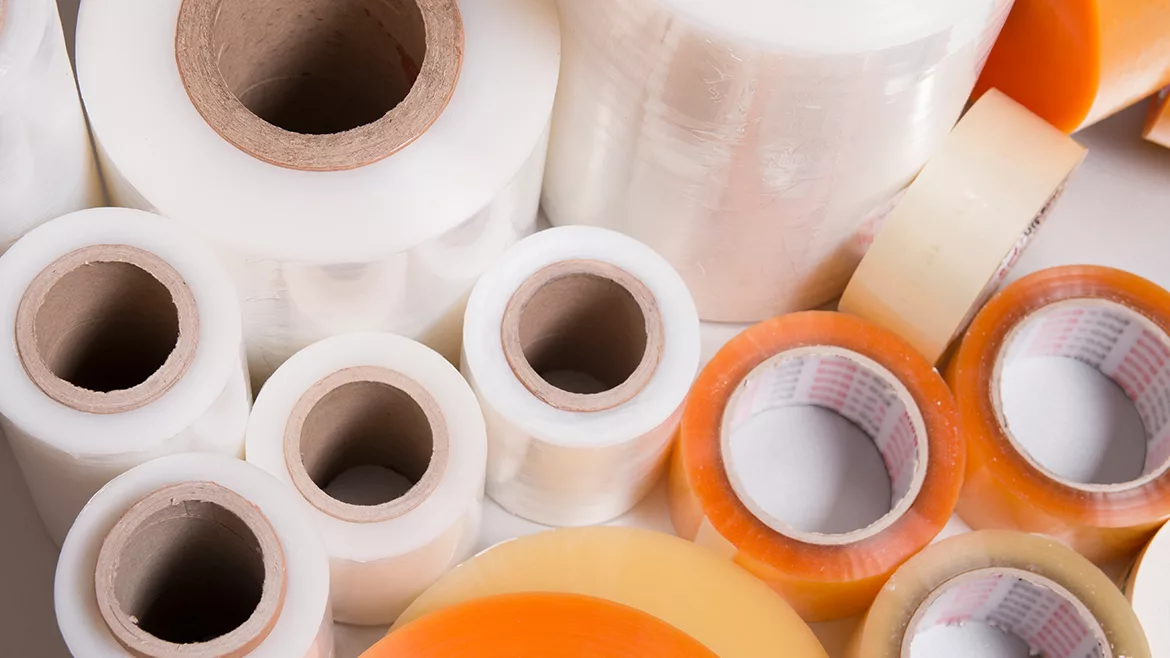
Credit: kynny / iStock via Getty Images Plus
Faster Manufacturing Demands Faster Cure Technologies
Manufacturing efficiency has become a major driver of innovation in adhesive and sealant technologies. Across nearly every industry, production lines are expected to move faster while maintaining high quality standards. Adhesives and sealants that require extended cure times can become production bottlenecks. This trend has accelerated interest in technologies that provide rapid handling strength, faster throughput, and greater process efficiency. UV-curable systems, moisture-curing technologies, dual-cure systems, and advanced reactive formulations are all gaining attention because they can help shorten production cycles.
However, cure speed alone is not enough. Fast-curing products must still deliver the long-term performance properties users expect. Achieving both objectives simultaneously often requires careful optimization of formulation components. Advances in catalyst technology, polymer design, and curing mechanisms are helping manufacturers improve cure speed without compromising ultimate bond strength, flexibility, or durability. Looking ahead, the demand for faster curing systems will likely continue to grow as manufacturing operations pursue greater productivity and automation.
Durability Remains a Core Performance Priority
While sustainability and efficiency are receiving considerable attention, durability remains one of the most important measures of adhesive and sealant performance. End users continue to expect products that withstand years of exposure to temperature fluctuations, moisture, UV radiation, chemicals, and mechanical stress.
In many applications, sealants must accommodate continuous movement without cracking or losing adhesion. Adhesives may be required to maintain structural integrity despite vibration, cyclic loading, and environmental aging. As a result, formulators continue to focus on technologies that provide improved weatherability, hydrolysis resistance, chemical resistance, and long-term flexibility.
The growing use of accelerated weathering programs and advanced testing protocols is helping developers better predict long-term field performance. These tools allow formulation adjustments to be made earlier in the development process and help reduce the risk of premature failures. Customers are increasingly evaluating products based not only on initial performance but also on expected service life. This emphasis on durability is likely to remain a primary driver of future innovation.
Smart Manufacturing and Digital Development Tools
Digital technologies are beginning to reshape how adhesives and sealants are developed, tested, and manufactured. Advanced modeling tools, automated testing platforms, and data-driven formulation approaches are helping researchers evaluate performance more efficiently. While formulation science still depends heavily on practical laboratory work and application testing, digital tools can help narrow development pathways and accelerate decision-making.
In manufacturing environments, improved process monitoring and quality control systems are helping ensure product consistency and reduce variation. Although these technologies will not replace the need for experienced formulators or real-world application testing, they are becoming important tools for improving development speed and product reliability.
Regulatory Pressures Continue to Influence Innovation
Regulatory developments are another factor shaping the next generation of adhesive and sealant technologies. Changes affecting VOC emissions, workplace safety, and environmental compliance continue to influence formulation decisions around the world.
In many cases, regulatory changes create opportunities for innovation by encouraging the development of alternative technologies. Formulators are routinely challenged to replace established materials while maintaining performance characteristics that customers have come to expect. Successfully navigating these transitions requires collaboration across the value chain. Raw material suppliers, formulators, manufacturers, and end users all play important roles in identifying practical alternatives and validating performance. The companies that are most successful in adapting to regulatory change are often those that view compliance as part of a broader innovation strategy rather than simply a requirement to satisfy.
Looking Ahead
The future of adhesives and sealants will be shaped by a combination of evolving customer expectations, technological advancement, and market demands. Sustainability efforts will continue to influence raw material selection and product design. Hybrid technologies will further expand formulation possibilities. Lightweight materials will create new bonding challenges. Faster manufacturing processes will drive interest in rapid-cure systems. At the same time, durability and long-term reliability will remain essential requirements.
What is most notable is that these trends are increasingly interconnected. A future adhesive or sealant will not be judged solely by one attribute. Success will depend on balancing multiple performance criteria while meeting regulatory, environmental, and economic expectations. For formulators, this presents both challenges and opportunities. The industry has always relied on innovation to solve complex problems, and today's market conditions are creating new opportunities to rethink how materials are designed and used.
The adhesive and sealant industry has never been short on innovation, but today's development environment is different because improvements cannot happen in isolation. A product that delivers exceptional adhesion but creates processing challenges may struggle to gain adoption. Likewise, a formulation built around sustainability objectives must still meet the durability expectations of the end user. The most successful products will be the ones that balance those competing priorities while solving practical problems for manufacturers and contractors.
Learn more about Univar Solutions at www.univar.com.
Looking for a reprint of this article?
From high-res PDFs to custom plaques, order your copy today!