From complex electronics assemblies to lightweighting and beyond, the incorporation of adhesives and sealants in transportation applications is expanding.
The technologies of today make it almost impossible to discuss the transportation industry without also bringing electronics into the conversation. Various sensors and other devices monitor or facilitate the operation of nearly every aspect of a vehicle’s operation, in one way or another.
Module joint design, adhesive selection, substrate choice, and combined mechanical and environmental stresses in the field all impact the longevity of the protective seal on a vehicle's electronic part.
Transportation electronics in both battery electric vehicles (BEVs) and autonomous vehicles regulate crucial on-board domains such as drive control units, safety systems, proximity sensors, and connectivity controllers. The electronics in these increasingly sophisticated computers are susceptible to corrosion failures from exposure to water and salt during vehicle operation that can result in performance problems, loss of function, and expensive repairs.
Advanced sealants and adhesives in vehicle assembly effectively and safely address key applications that have traditionally employed mechanical fasteners while adding design freedom to today's modern vehicles.
Transportation has evolved tremendously over the last century. From horse and buggy to steam power, the internal combustion engine, multi-speed powertrains, and the latest push for hybrids and electrification—the way things move has changed tremendously.
The five trends that are shaping the post-COVID-19 future include infection prevention, remote commerce, improving resiliency, greater agility, and macroeconomic impacts.
September 14, 2020
The pandemic has drastically changed the landscape for businesses across all industries, forcing immediate changes that will often have long-term consequences.
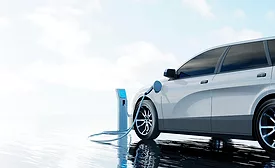
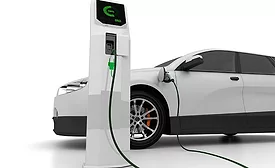
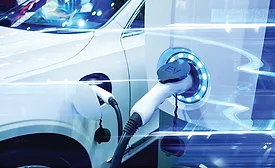
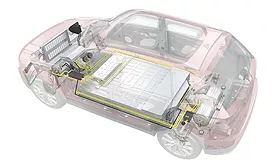
Adhesives, sealants, and heat transfer materials used in battery assembly operations will find myriad opportunities in the exciting electric vehicle market.
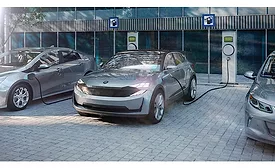
Electric vehicles (EVs) have been rapidly adopted in recent years, and the rate of market growth has shown to be significantly higher than that of the fuel-injected automotive market. Indeed, the global stock of electric cars surpassed five million in 2018.
According to the ASC, the white paper provides ASC members visibility into market opportunities and growth potential in the electric vehicle (EV) market.
December 17, 2019
The Adhesive and Sealant Council (ASC) has partnered with Industrial Market Insight to create a white paper entitled “Adhesives and Sealants in Battery and Hybrid Electric Vehicles.”
The desire to reduce vehicle emissions, especially in densely populated areas, is driving the replacement of combustion engine-powered cars with electrical vehicles.
Developers of electric vehicles are on a very steep learning curve. Advancements seem to be emerging almost daily—especially as they relate to the power source, which includes battery pack design, engineering and assembly.