
Articles Tagged with ''silicones''

Market Trends
Strong Growth Projected for Automotive Adhesive Tapes
Several key trends will help drive the 6.1% CAGR expected for automotive adhesive tape revenues through 2028.
Read More

Striving for Sustainability
Recycling Silicone Sealant Cartridges
Henkel has launched a global innovation call for separating plastic from silicone waste.
Read More

Ask Dr. Dave
Alternative Cure Systems for RTV Silicone Sealants
We use RTV silicones in our assembly operations, and our workers keep complaining about the strong vinegar smell. Somebody told me that we might be able to get low-odor, low-volatile silicones. What issues should we be aware of?
Read More


Elkem Announces Project to Eliminate Carbon Dioxide Emissions in Silicon Production
The company aims to be part of the solution to combat climate change and to be one of the winners in the green transition.
Read More

Wacker Announces Ambitious New Sustainability Goals
Wacker is striving to ensure that its entire product portfolio meets defined sustainability criteria by 2030.
Read More
Strategic Solutions
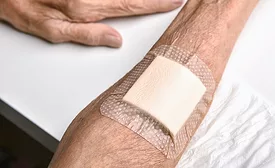
PSA Wound Dressing Adhesion and Skin Type: A Delicate Balance
Consideration must be given to various skin types to ensure dressings can be securely attached and easily removed without skin damage.
Read More

A Closer Look at Medical Adhesive Tapes for Diagnostic Applications
Adhesives and tapes used for diagnostics are faced with different challenges than those for skin contact and other medical applications.
Read More

Top 5 News that Sticks
Henkel Financial Results Lead the News
Readers last week were most interested in Henkel’s announcement regarding its financial results for the third quarter.
Read More
